INTRODUCTION
The land in the area is very fertile and in the 17th century was described by historian Philip Kinder as ‘The Granary of Derbyshire.’ Domesday Book makes reference to Weston having ‘ten carucates of land’ (the amount of tillable land) and the availability of a ferry boat, all of which stress the importance of the place. At that time, Weston was the chief manor of the estate, including Aston, Shardlow and Wilne. Now, Aston is the larger and busier of the two villages. It lies on Derbyshire’s side of the River Trent, which divides the county from Leicestershire.
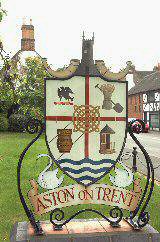
In recent years, the village has grown considerably in population, and nearly all of its working-age inhabitants commute to work. However, this has not stopped it from developing an excellent community spirit, with a significant number of thriving organisations operating in the village. Fundraising for a large number of causes has been particularly successful over the last few years.
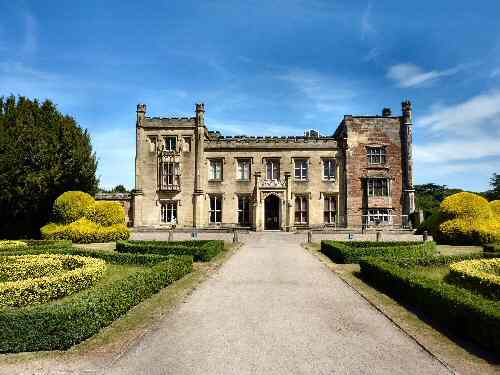
ASTON HALL
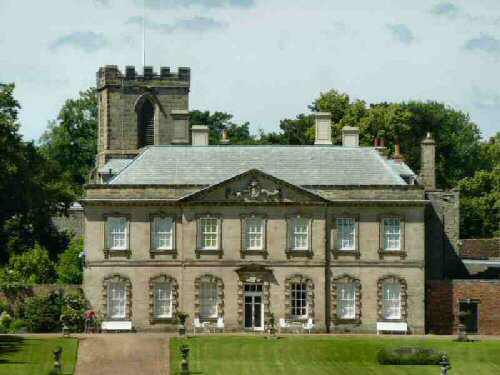
Aston historically has close links with Weston-on-Trent, for until the middle of the 17th century, the Lords of the Manor were the Roper family who lived at Weston Hall. Financial difficulties led to the sale of their estate to Robert Holden, who set up a home at Aston Hall, where the family lived for upwards of 250 years. After passing through the hands of Colonel Winterbottom, Nottinghamshire County Council purchased it
for use as a specialist hospital for patients with learning difficulties. It is no longer a hospital, and the hall and administration block now house apartments.
ASTON LODGE
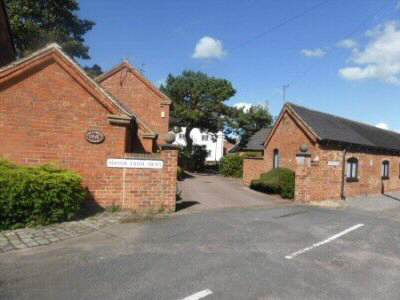
The second most important house in the village used to be Aston Lodge. It was for many years the home of the Bowden family, who were lace manufacturers. When one of the Bowden’s daughters got married, a red carpet was laid from the lodge to the altar steps. In the 1930s, the house was demolished and, together with the grounds, replaced by a modern development and sports field. All that remains are the water tower and stables, now converted to housing and known as Lodge Mews.
CONSERVATION AREA
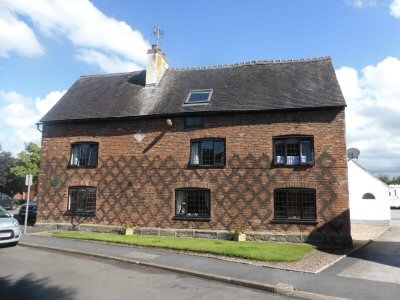
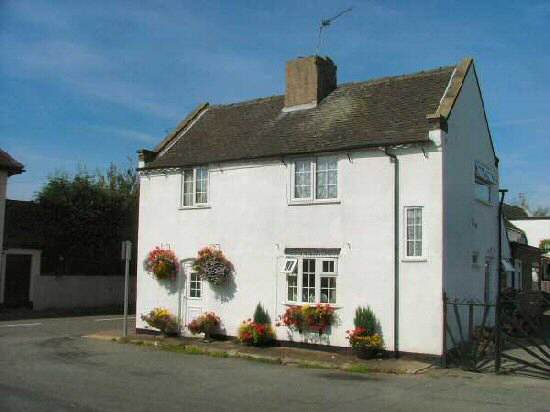
The centre of the village is a Conservation Area. At the heart of this is a triangular block of land, around a small attractive village green, on which stands an old pump. It is here that the annual well-dressings take place. There are several interesting properties around the triangle. Number 16 The Green, with diaper brickwork, unusual for this part of the county, has WCM 1690 on a date stone and on the opposite side of the road is the former smithy.
VILLAGE CENTRE
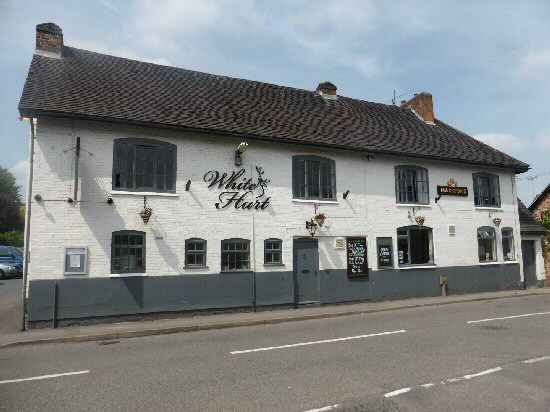
There are two shops, including a post office and two pubs, The Malt (formerly the Malt Shovel) and the White Hart Inn. Notsa Restaurant, a café, deli, and bar, opened recently on Derby Road.
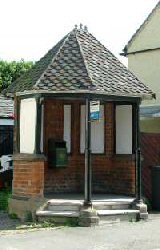
Further along the road, the Old School House, paid for by the Holdens of Aston Hall, now a private house, displays the Holden family crest – a moor cock rising sable. A replacement school is in place, and the Methodist Chapel has moved to a new site. An eye-catching Victorian shelter that once housed a pump, now keeps bus users dry on Derby Road.
ALL SAINTS’ CHURCH
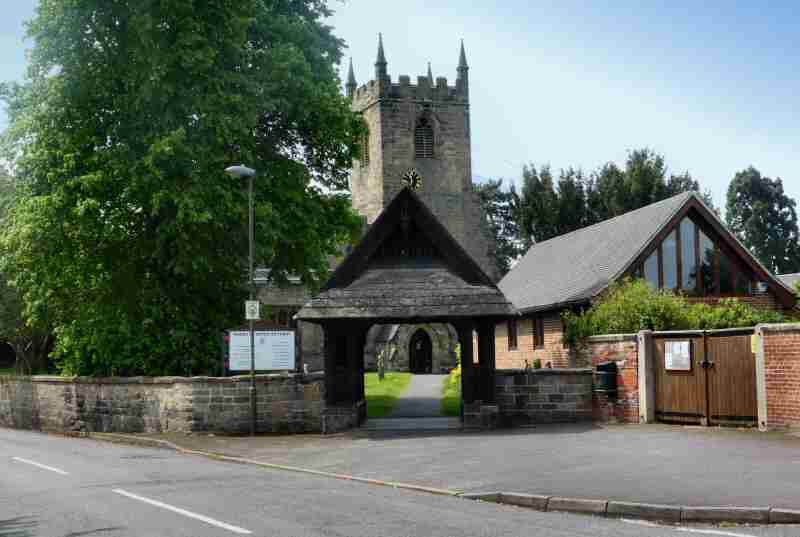
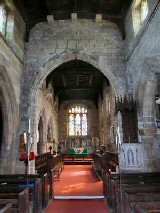
A former rector describes All Saints’ Church as ‘a sort of history in stone.’ It has a Saxon base, Norman windows and is surmounted by Reformation battlements and pinnacles with various other styles of architecture in between. The oak Lychgate is one of the most admired in Derbyshire, erected in memory of James Holden, a former Rector at Aston.
BOMB RAID PREVENTED
In 1940, when German planes were attempting to bomb Rolls-Royce, a decoy set up a short distance from the village by three old-age pensioners produced first-rate results. From a small dug-out, the men operated a light visible from the air, which the German pilots mistook for their target and released 200 high explosives and incendiary bombs, which fell on open land. The pensioners returned elated and unharmed, the only damage being to some greenhouse windows at Shardlow.
TEN FASCINATING FACTS ABOUT ASTON-ON-TRENT
1. Aston-on-Trent and its neighbour Weston-on-Trent are closely linked in history. The names Aston (east farm) and Weston (west farm) suggest a very close relationship. Originally, Weston was the larger, but now the reverse applies.
2. On the north side of the village, the brickyard and plaster pits for many years represented the most important industry other than farming in the village.
3. Most of the older houses in Aston used bricks from the works in their construction. The works remained in operation until the early 20th century.
4. Production at the plaster pits, situated behind the brickworks, lasted for approximately 150 years before coming to an end between the two World Wars.
5. A tramway ran from the Brickyard Plantation area, now a Nature Reserve, to transport gypsum from the mine workings to a wharf situated on the Trent and Mersey canal.
6. Aston Lock, built in 1770 as part of the Trent and Mersey Canal, was opened in 1777. Although subsequent renovations and reinforcements have taken place, much of the original brickwork remains.
7. In 1941, Notsa (Aston spelt backwards) Engineering was established in the village and helped develop components for rockets, aircraft, and nuclear research. The company gained recognition for its ‘Maxi-Check’ precision-measuring machine. The company is no longer in existence.
8. The Aston-on-Trent Walk, on this website, along the Trent and Mersey Canal passes both Shardlow Lock and Aston Lock, every mile marked by a smartly painted canal milepost, recording the distance between Shardlow and Preston Brook.
9. Trent Valley Crematorium on Derby Road, opened in July 2018, serves the surrounding area. The landscaped gardens provide a tranquil and comforting environment for quiet contemplation.
10. A recent arrival in Aston, in 2017, Richmond Villages Aston-on-Trent retirement village and care home features traditional architecture with modern and luxurious interiors.
ASTON-ON-TRENT WALK