MAGPIE MINE
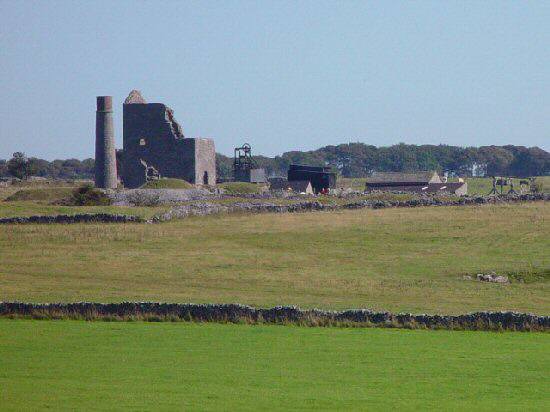
The Magpie Mine is a lead mine, an industry mentioned time and again in features on towns and villages in Derbyshire and the Peak District. So it seems entirely appropriate to cover the three most important places that you should visit to learn more about this fascinating subject. Those places are the Peak District Mining Museum, housed in the Pavilion at Matlock Bath, the Temple Mine close to the museum and the Magpie Mine on the limestone uplands near Sheldon.
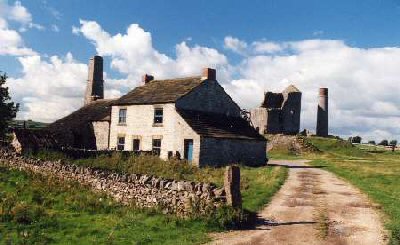
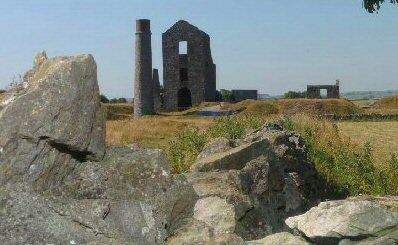
Magpie Mine stands one third of a mile south of the village of Sheldon, from where it stands darkly silhouetted against the skyline. It is about 1050 feet above sea level. Footpaths approach it both from Sheldon and the Monyash to Ashford-in-the-Water road. Members of the public may visit it for external inspection at any reasonable time.
The mine now receives far more visitors than anticipated in 1962, when the tenancy of the Magpie Mine Cottage was taken over as a Field Centre by the Peak District Mines Historical Society. Please visit the Peak District Mining Museum website www.peakdistrictminingmuseum.co.uk for further information.
Magpie Mine has a recorded history from 1739, but dates back much further and is said locally to be well over 300 years old. Protracted troubles broke out in the 1820s and 1830s between the miners of Magpie, Maypitts and Red Soil mines. The dispute revolved around a vein of lead, and at various times the miners broke through into each other’s workings. Often, when this occurred, one side would light a fire underground and try to smoke the other out. Tragically, in 1833, three Red Soil miners were suffocated to death by a fire lit by the Magpie miners.
Following a year in prison and a lengthy court case at Derby Assizes, the court acquitted the five Magpie miners of the charge of murder owing to conflicting evidence and the lack of intent. The three widows of the Red Soil miners reputedly put a curse on the mine, and supposedly, a ghost was seen there in 1946.
In 1842, there were two deaths at the Magpie Mine, and during the next 50 years, the mine had many problems, including flooding and fire. In 1880, the company operating the mine even changed its name to the Magpie Mining Company, probably in the hope of ridding itself of the curse!
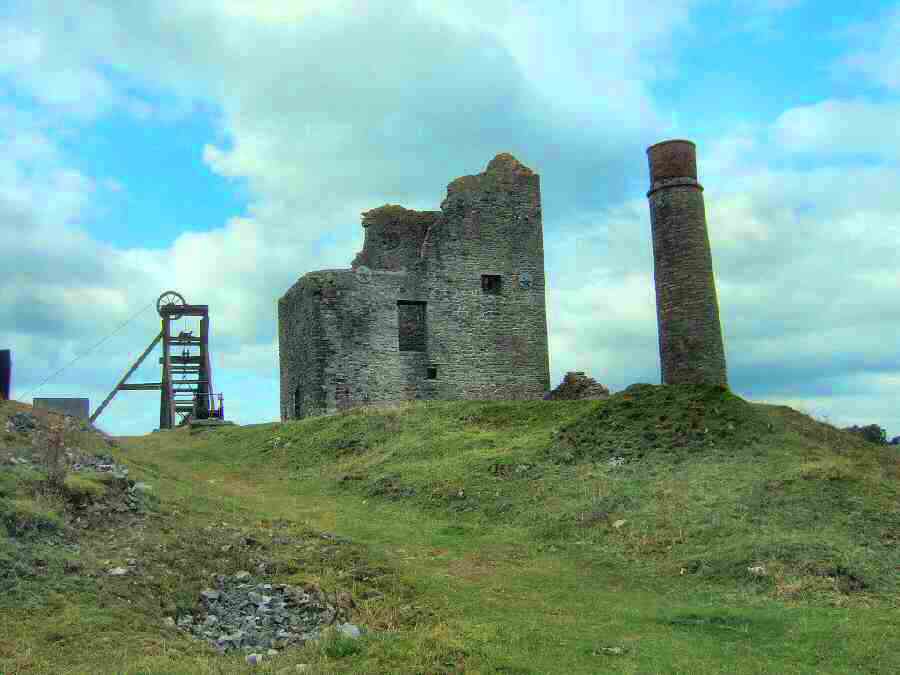
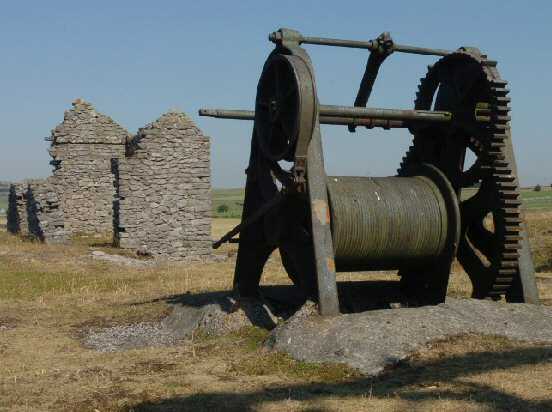
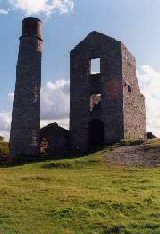
After a period of inactivity and several attempts to revive the mine, the last was in the 1950s. The constant battle with flooding and falling prices forced the closure of the mine in 1958. It is now scheduled as an ancient monument, and is the most complete example of a lead mine remaining in the Peak District.
So it seems entirely appropriate to cover the three most important places that you should visit to learn more about this fascinating subject. Those places are the Peak District Mining Museum, housed in the Pavilion at Matlock Bath, the Temple Mine close to the museum and the Magpie Mine on the limestone uplands near Sheldon.
Magpie Mine stands one third of a mile south of the village of Sheldon, from where it stands darkly silhouetted against the skyline. It is about 1050 feet above sea level. Footpaths approach it both from Sheldon and the Monyash to Ashford-in-the-Water road. Members of the public may visit it for external inspection at any reasonable time.
The mine now receives far more visitors than anticipated in 1962, when the tenancy of the Magpie Mine Cottage was taken over as a Field Centre by the Peak District Mines Historical Society. Please visit the Peak District Mining Museum website www.peakdistrictminingmuseum.co.uk for further information.
Magpie Mine has a recorded history from 1739, but dates back much further and is said locally to be well over 300 years old. Protracted troubles broke out in the 1820s and 1830s between the miners of Magpie, Maypitts and Red Soil mines. The dispute revolved around a vein of lead, and at various times the miners broke through into each other’s workings. Often, when this occurred, one side would light a fire underground and try to smoke the other out. Tragically, in 1833, three Red Soil miners were suffocated to death by a fire lit by the Magpie miners.
Following a year in prison and a lengthy court case at Derby Assizes, the court acquitted the five Magpie miners of the charge of murder owing to conflicting evidence and the lack of intent. The three widows of the Red Soil miners reputedly put a curse on the mine, and supposedly, a ghost was seen there in 1946.
In 1842, there were two deaths at the Magpie Mine, and during the next 50 years, the mine had many problems, including flooding and fire. In 1880, the company operating the mine even changed its name to the Magpie Mining Company, probably in the hope of ridding itself of the curse!
After a period of inactivity and several attempts to revive the mine, the last was in the 1950s. The constant battle with flooding and falling prices forced the closure of the mine in 1958. It is now scheduled as an ancient monument, and is the most complete example of a lead mine remaining in the Peak District.