STANTON MOOR
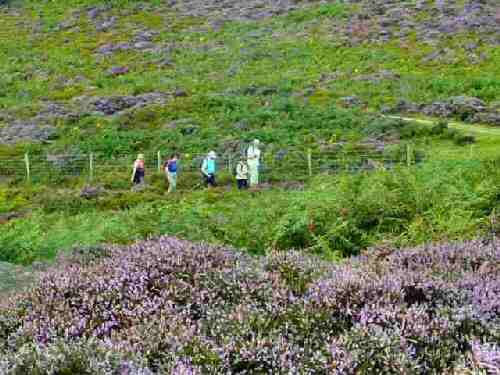
Set roughly between Stanton-in-Peak and Birchover is Stanton Moor, which rises to 1,096 feet above sea level, and offers genuine moorland terrain. It is an isolated gritstone outcrop in the heart of limestone country and one of the richest prehistoric sites in Derbyshire. Although it is relatively small in size, it has a feeling of isolation despite its close proximity to its neighbouring villages.
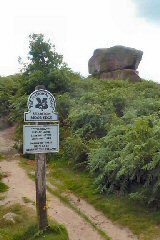
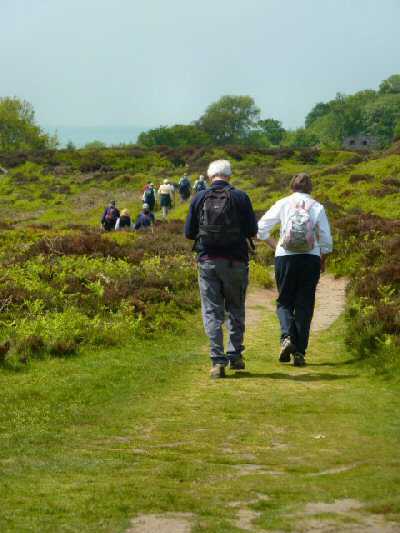
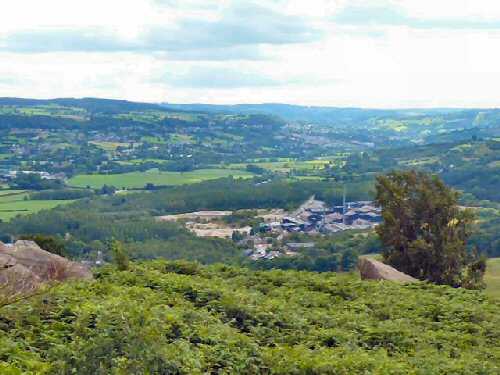
On the edge of the moor, there are superb views of the surrounding countryside and, on the bracken-clad moor, several impressive boulders and reminders of the past. It is easy to reach from Birchover to Stanton Road and provides good level walking, and is something of a ‘hotspot’ for visitors.
Last century, the Heathcote family, father and son, excavated in excess of 70 burial mounds on the moor. Both were noted amateur antiquarians, and between them they excavated the tumuli on Stanton Moor and built up a fascinating private museum in the old village post office at Birchover. When Percy Heathcote died, the collection transferred to Sheffield West Park Museum.
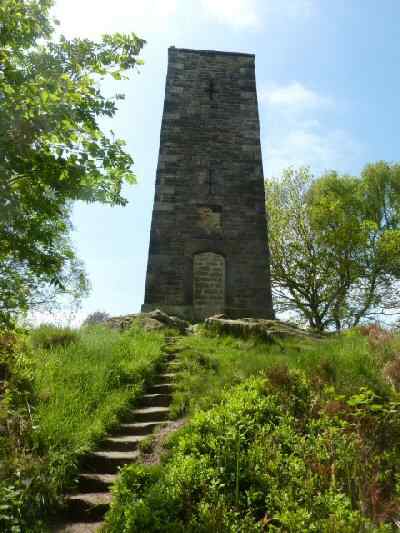
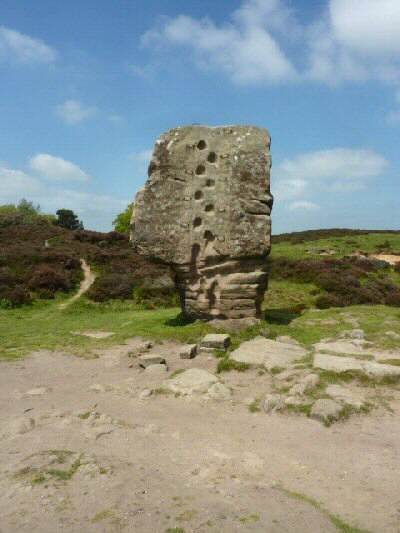
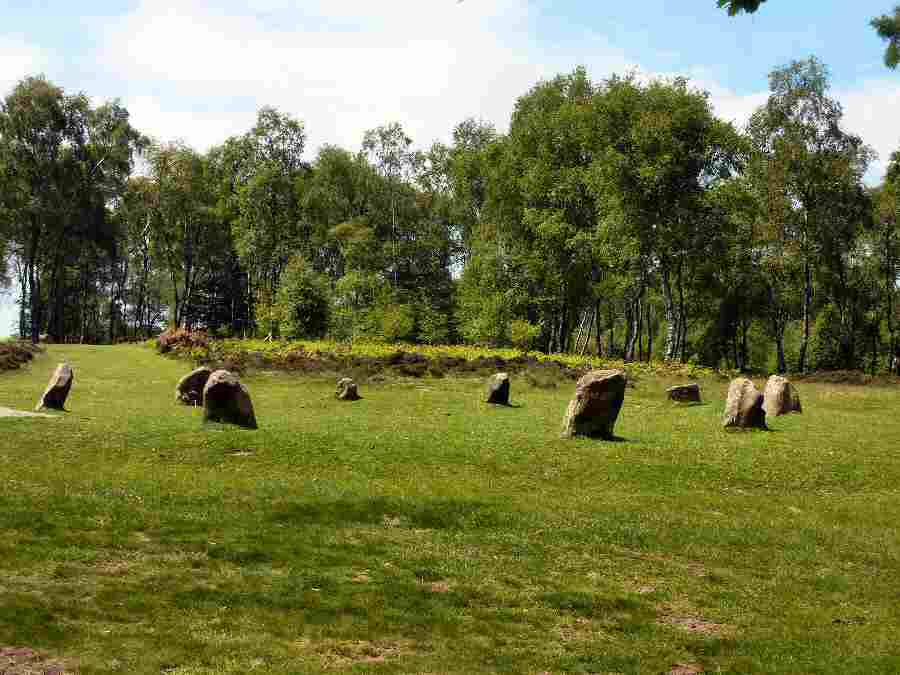
The most famous of the Bronze Age relics on the moor is The Nine Ladies Stone Circle. The circle was probably the scene of Bronze Age ceremonies dating back to about 1.500 BC. But its name is based on the legend that nine ladies danced here on the Sabbath Day and were turned to stone as a punishment, along with the fiddler who stands nearby. The Earl Grey Tower sits on the moor’s edge. The tower commemorates the passing of the Reform Bill in 1832. The Thornhill family of Stanton-in-Peak erected it. The Cork Stone on the south side of the moor is a natural pillar about 15 feet high. It has iron footrests driven into it for those who want to climb to the top. Composed of weathered sandstone, it resembles a giant cork.
Stone quarrying has been an important industry in the area for a long period, employing local people. The whole subject of quarrying in such a beautiful area has been a very contentious subject for several years. It led to the Peak Park Authority drawing up a plan that became known as the Stanton Moor Principles. It was acknowledged that the built environment required building stone, but permissions must be in place to protect landscapes and wildlife conservation. Quarries to the south and north of the moor remain in use. In 2009, an attempt to reopen dormant quarries on the moor itself failed after local and national protests against the plans that lasted over ten years.