INTRODUCTION
West Hallam is a large historic village with roots dating back to the Domesday Book of 1086. It has had its own parish council since 1894 and, since 1974, has been part of the Erewash Borough.
Traditionally a rural community, it originally relied on agriculture and local trades. However, from the 19th century, coal mining became significant in the area, with deep seam mines and opencast operations. The last mine closed in 1959, and former industrial sites were landscaped to restore the village’s rural character.
Housing developments in the 1970s and 1980s significantly increased the population. Today, most residents commute to work, reflecting West Hallam’s evolution from a self-contained rural village to a modern residential community.
ORDNANCE DEPOT
The former Second World War Army Ordnance Depot, located off Cat and Fiddle Lane to the south of the village, reopened in the 1960s as Midland Storage. Today, the site functions under XPO Logistics, covering 120 acres and remaining a key employer in the area.
THE BOTTLE KILN
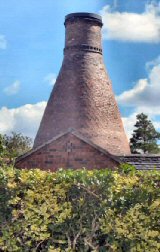
The Bottle Kiln is one of West Hallam’s most distinctive and welcoming places to visit. Set on the site of the former West Hallam Pottery, where two bottle kilns once stood, the beautifully restored kiln and its surrounding buildings now offer a relaxing stop for visitors. Browse the arts and crafts gallery and gift shop, enjoy refreshments in the café, or take a quiet moment in the Japanese-style tea garden.
CINDER HOUSE
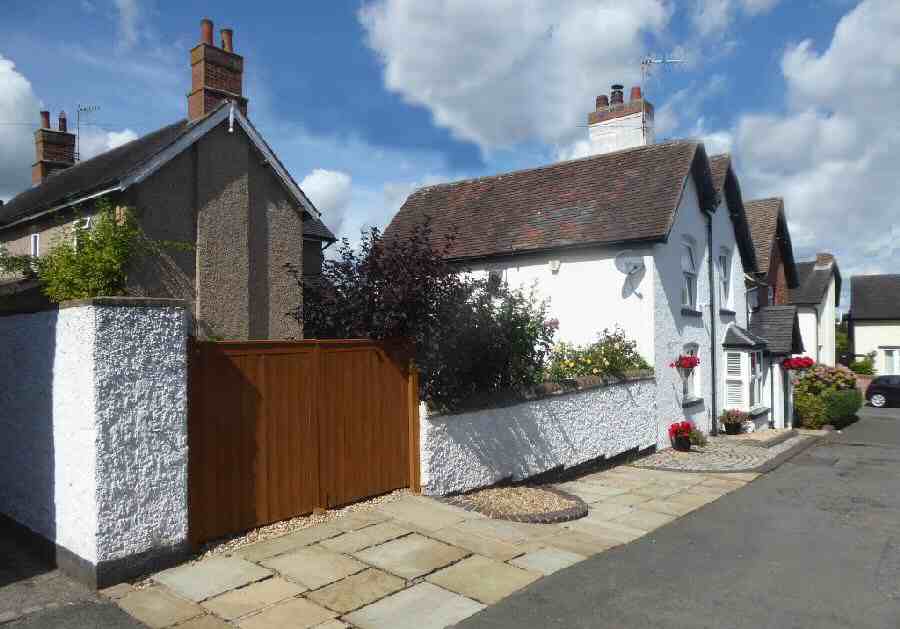
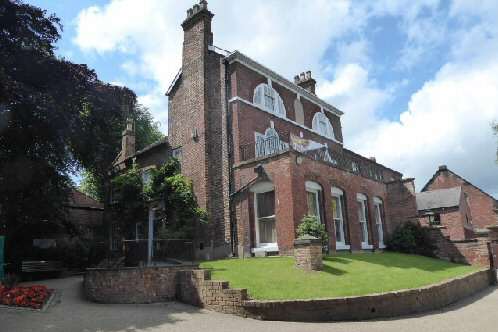
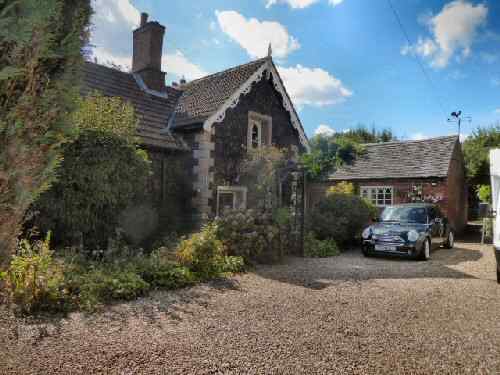
The Cinder House was built in 1833 to celebrate the birth of the local Squire’s son, Francis Parker Newdigate, from cinders made by burning pieces of clay dug from nearby Mapperley Park. For many years, the house was semi-detached but converted into a single dwelling in the 1990s. It is a Grade II listed building and is understood to be unique.
WEST HALLAM RAILWAY
The arrival of the railway in the mid-1800s linked the village to markets and industrial centres in other areas. It was part of the Staffordshire link of the Great Northern Railway linking Derby Friar Gate and Nottingham Victoria stations. Towards the end of the 19th century, the station at West Hallam dealt with 90,000 passengers per year. The line closed in 1964, and today, the stationmaster’s house survives as a private residence known as Station House.
ST WILFRID’S PARISH CHURCH
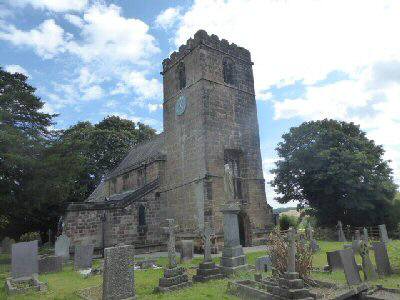
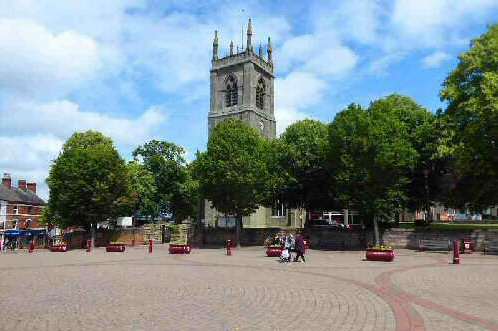
St Wilfrid’s Church is well over 700 years old and was the first permanent Church in the village. The de Cromwell family probably built it. They became Lords of the Manor around 1199. The family also built a moated Manor House near the present TDG Pinnacle site (XPO Logistics). The Church was sympathetically restored in 1855 to enable the many mixed styles of architecture to form a pleasing whole. Stained glass from the Old Hall was placed in the East window. It is a Grade II* listed building.
CAT AND FIDDLE WINDMILL
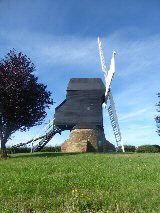
The Cat and Fiddle Windmill is a Grade I listed post mill that stands on private property off a lane bearing its name. It is one of only three preserved mills of its type in the country and continued to operate until 1952. A good view of the mill across open land is available from the farm café. Inside the mill, on a crossbeam, is the date 1788, but it may be older than that. How the mill got its name is shrouded in mystery; one suggestion is that it took its name from a public house.
TEN FASCINATING FACTS ABOUT WEST HALLAM
1. Situated on a sandstone ridge, the historic village of West Hallam is in a naturally defensive position overlooking the valley of the Stanley Brook.
2. The manorial system in the village came to an end in 1914, when the Newdigate family sold the final plot. They had held the manor since 1821, before beginning to sell off their estates in the 1890s.
3. In 1878, the Great Northern Railway opened its station (West Hallam for Dale Abbey) at the Stanley end of Station Road.
4. A Conservation Area was designated in the village in 1978, to which further amendments to the boundary have resulted following subsequent appraisal.
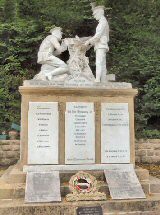
5. The village’s unique War Memorial remembers all those who fought in both World Wars and was joined in 2007 by the Mapperley Collieries War Memorial. The latter was re-sited after the demolition of the Jubilee Club on Station Road.
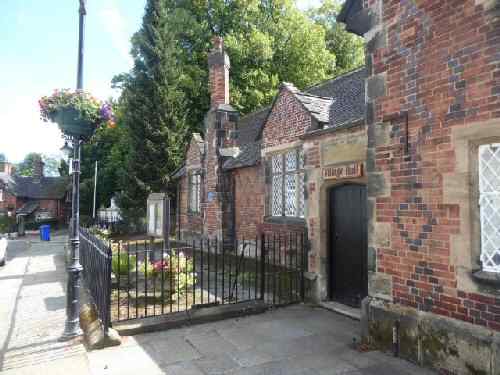
6. West Hallam Village Hall was previously a school for girls. Today, it is a Grade II listed building holding charity status, where events and festivals take place.
7. Straw’s Bridge, known locally as Swan Lake, emerged from the reclamation of a former flood meadow and sewage works site. The
lake is surrounded by wetlands, creating habitats for waterfowl and promoting natural water filtration processes in the valley.
8. West Hallam has a Well Dressing Festival on the second Saturday in July, created by local schools, community groups and other organisations.
A Scarecrow Competition takes place at the same time.
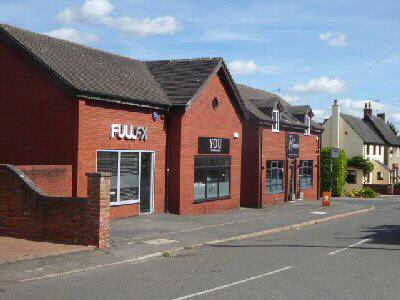
9. The 1960s to 1990s saw a rapid expansion of new housing in West Hallam, accompanied by a new shopping development on the site of White House Farm.
10. The Punch Bowl at West Hallam closed in 2022, but at the time of writing, there are hopes it may reopen. How it got its name is probably due to the fact that Punch was once a drink much favoured by the gentry. Before that, Wassail was a drink originating in pre-Christian days, often drunk out of a communal bowl to celebrate Christmas Eve and Twelfth Night.
SHIPLEY COUNTRY PARK WALK