INTRODUCTION
Biggin is a small, relatively isolated farming village two miles southeast of Hartington, just off the busy A515 between Ashbourne and Buxton. It is a popular spot for walkers who come to walk beside the River Dove through Beresford Dale and Wolfscote Dale. The Tissington Trail provides one of many other options, particularly on a circular walk from the village.
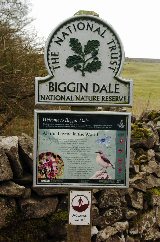
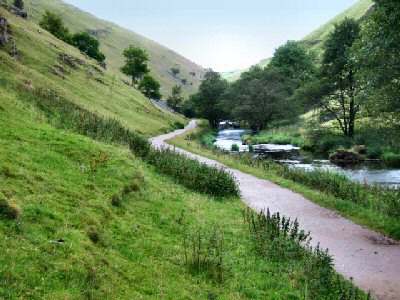
The route that leads down to Wolfscote Dale and the River Dove is appropriately named Biggin Dale after the village. It is a National Nature Reserve and contains a fine range of flowers in spring. Most of the time, it is a pleasant limestone dale, but during periods of heavy rain, underground waterways emerge from springs, producing a swift-running stream.
THE VILLAGE
Biggin is an old village first mentioned in 1223, when it was called Newbiggin. At that time, there was a monastic settlement of the Cistercian order, owned by the monks of Garendon Abbey in Leicestershire. They established a sheep ranch at Biggin Grange, which, although rebuilt since monastic times, still retains one ancient outbuilding. Farming has continued to be an important occupation in the village ever since the monks set up their farm.
At the time when lead mining was at its height, there were several mines scattered throughout the parish. Quarrying was also important, although all the quarries are now closed. Hartshead, near Heathcote, about a mile from Biggin, supplied stones for making aerodrome runways in World War II. The small hamlets of Heathcote and Newhaven are both in the same parish as Biggin.
The remoteness and the much harsher winters of the past have led to the residents of Biggin finding themselves cut off from the outside world. In the severe winter of 1947, the roads were almost permanently blocked with snow. Fortunately, trains on the Ashbourne to Buxton line usually managed to get through.
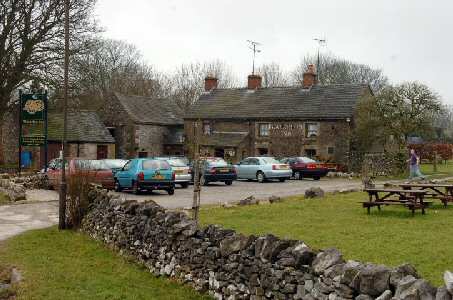
For many years, Biggin was the venue for the biggest sheep sales in the area. The sales in October 1985 had over 20,000 sheep entered for purchase. Now sheep are sold at the market in the new Bakewell Agricultural Centre. The loss of the sheep sales meant the loss of some profitable business for the Waterloo Inn. It, though, has been compensated for with the gradual increase in thirsty visitors to the village, mainly walkers. Increasing leisure time and early retirement have meant weekdays and not just weekends are busy in good weather conditions.
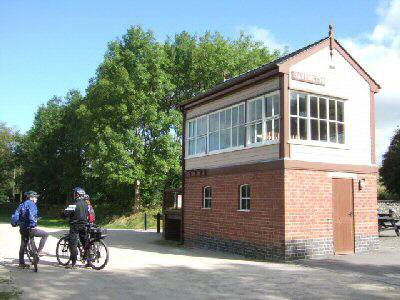
Following the closure of the railway line, it reopened as the Tissington Trail, which brings additional walkers and cyclists to the village. As a result of the increase in visitors, more accommodation providers have emerged in the village. There is a caravan and camping site in a field to the rear of the Waterloo Inn and other sites in the area.
BIGGIN HALL
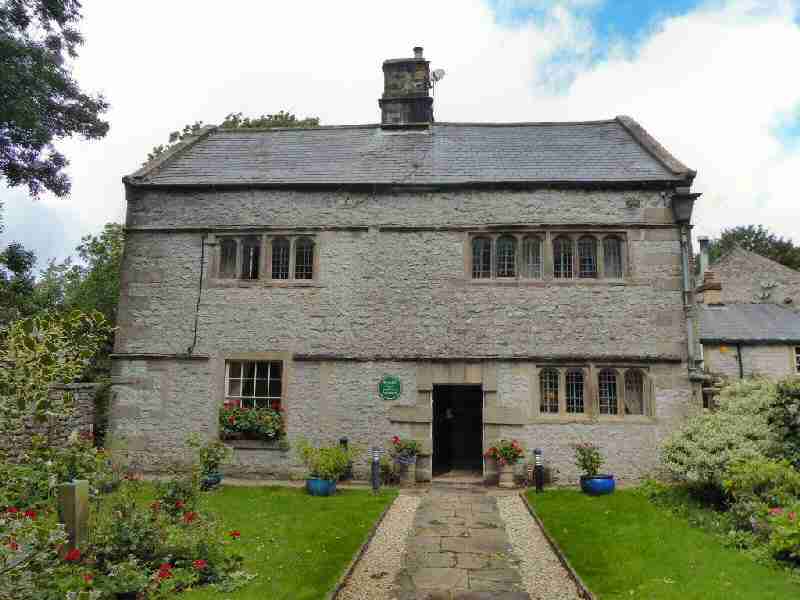
Biggin Hall is almost certainly the oldest house in the village. It was built in the 17th century, and is a good example of small-scale farm architecture of that period. A Grade II* listed building, it stands in eight acres of grounds. It is currently used as a restaurant and for holiday accommodation. Renovated in keeping with its original character, many of the stone mullioned leaded windows have only recently been allowed to show the light of day inside, having been obliterated in the 1790s to avoid the window tax.
CHURCH OF ST THOMAS
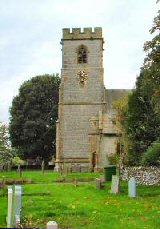
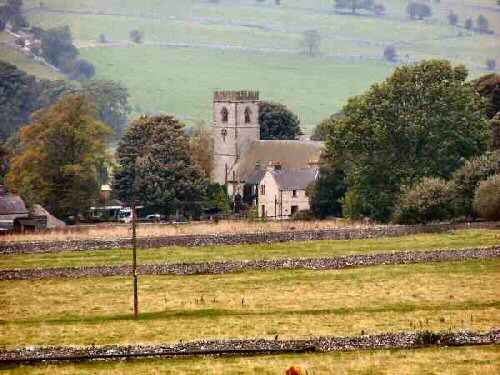
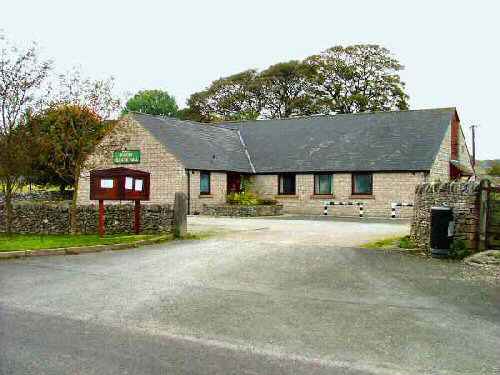
The impressive-looking Church of St Thomas was built in 1848 of limestone acquired from a nearby field. It no longer holds regular services, and the former Methodist Chapel closed its doors some years ago and is now a private house. There is a smart new village hall and a school in Biggin, and one or two small businesses.
TEN FASCINATING FACTS ABOUT BIGGIN
1. Biggin, also known as Biggin-by-Hartington, is a village in the Derbyshire Dales. It is part of the Hartington Nether Quarter parish, in the Peak District National Park.
2. Biggin was once known as Newbiggin, when it had a monastic settlement of the Cistercian order, established by the monks of Garendon Abbey, Leicestershire. In the 18th century, Biggin was a lead mining centre. When the lead boom started to end, there was a migration of lead miners to Upper Teesdale, and they probably took the name Newbiggin there.
3. Newhaven House Hotel on the A515 was built by the Duke of Devonshire in 1795 to take advantage of the coaching trade. Erected close to two important turnpike roads, the Buxton to Derby and the Nottingham to Newhaven, it was the last public house in England to have a perpetual licence awarded following a visit by King George IV. He was so impressed by the warmth and hospitality of the landlord that he granted the licence.
4. The Church of St Thomas in Biggin-by-Hartington dates from 1844, when Biggin became an ecclesiastical parish separate from its mother church at nearby Hartington.
5. The Church was built in an Early Gothic style on a site given by the Duke of Devonshire and consists of a chancel, nave of five bays, south porch and an embattled tower at the west end containing one bell and a clock with two dials.
6. The village lies at the centre of many old and important paths. An ancient packhorse route from Hartington to Wirksworth passed through the village. It also lies on an old saltway and drovers’ road along which, many years ago, cattle and sheep were driven to the annual fair at nearby Newhaven.
7. Biggin Hall dates from the 17th century and has a datestone of 1642 on a stone within the building. It has an imposing appearance with mullioned windows and an ancient oak front door. It operates as a luxurious country house hotel.
8. From Dale End at the foot of the village, there is a grassy track leading down to Biggin Dale, which gently descends to meet the River Dove at Wolfscote Dale, emerging opposite Peaseland Rocks.
9. Liffs Low or The Liffs, as it is also known, is an ancient ‘Beaker’ burial ground or tumuli close to Biggin, which, when excavated, was found to contain two flint axes, two flint spearheads, two flint knives, two arrow-heads, an antler hammer and a beaker.
10. There are several caravan sites in the area, as during the summer months it is a popular tourist centre, with Biggin being well situated for walks around Wolfscote Dale, Beresford Dale and with the Tissington Trail passing close by.
BIGGIN DALE WALK