PLAN YOUR DAY OUT
Location: Off the A6 at Cromford, where you turn east for Arkwright’s Mill. Then continue past the mill and follow the road around close to the River Derwent and head for Lea and Holloway. As you approach a bend in the road near Lea, look out for the High Peak Junction Car Park, which is on your right (SK317560). High Peak Junction is reached by turning right out of the car park. It can also be reached on foot, along the towpath of the Cromford Canal, or from the A6 down an access road for public transport users.
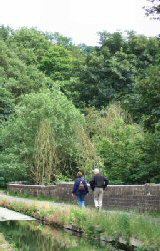
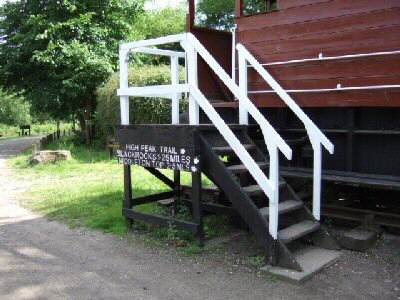
Visit: Walk up High Peak Trail to explore the area around Black Rocks, which has been a tourist destination for centuries. The coming of the railways to Matlock and Wirksworth made it easier for people to visit the rocks.
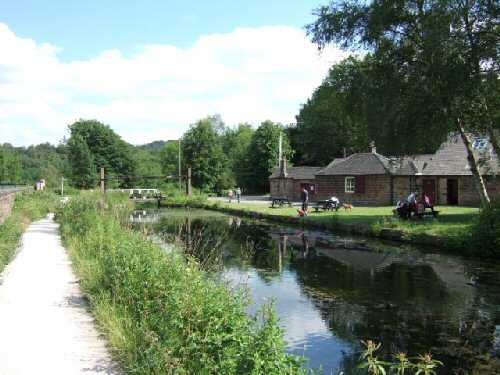
Refreshments: Light refreshments are available during the season at High Peak Junction. Picnic tables are pleasantly sited overlooking the Cromford Canal. For more information, visit www.derbyshire.gov.uk/highpeakjunction. – Refreshments are available at the café in the mill yard at Arkwright’s Mill and at Wheatcroft Wharf. There is also a range of establishments in Cromford supplying food and drink, including the historic Greyhound Hotel.
Walk: Outstanding views are all part of this fascinating walk. After a short ascent up High Peak Trail, the walk takes you through woods and along Intake Lane, before climbing up Cromford Moor to Bolehill. Black Rocks have been a tourist destination for centuries. The coming of the railways to Matlock and Wirksworth made it easier for people to visit the rocks.
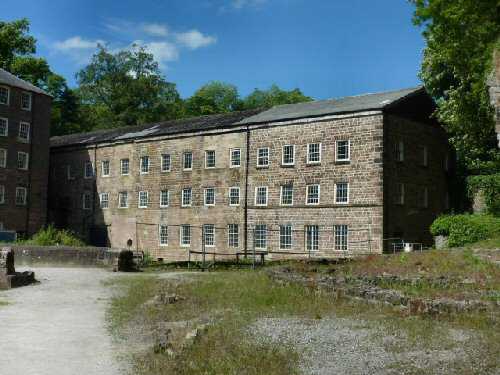
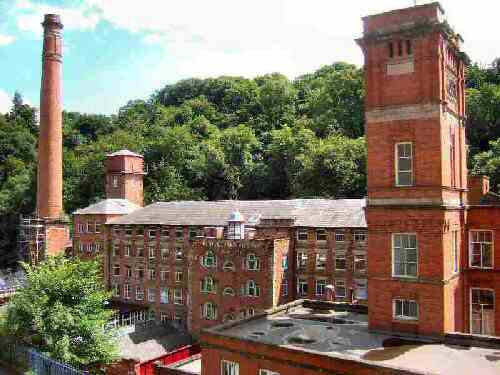
Special Places of Interest in the Locality: Explore Arkwright’s Mill at Cromford and walk around the village. It was the first purpose-built industrial village, and it encompasses the site of the world’s first successful water-powered cotton mill. It was from Cromford that its revolutionary methods spread across the rest of the world. – Visit the museum at Masson Mill – Take a trip to the Peak District Mining Museum and Temple Mine, at Matlock Bath, where you get a very realistic impression of what the conditions used to be like for men who toiled underground. After completing your absorbing tour of the museum, you can visit Temple Mine (reduced opening times), which has been worked since 1922. For further information, visit: www.peakdistrictminingmuseum.co.uk.
INTRODUCTION
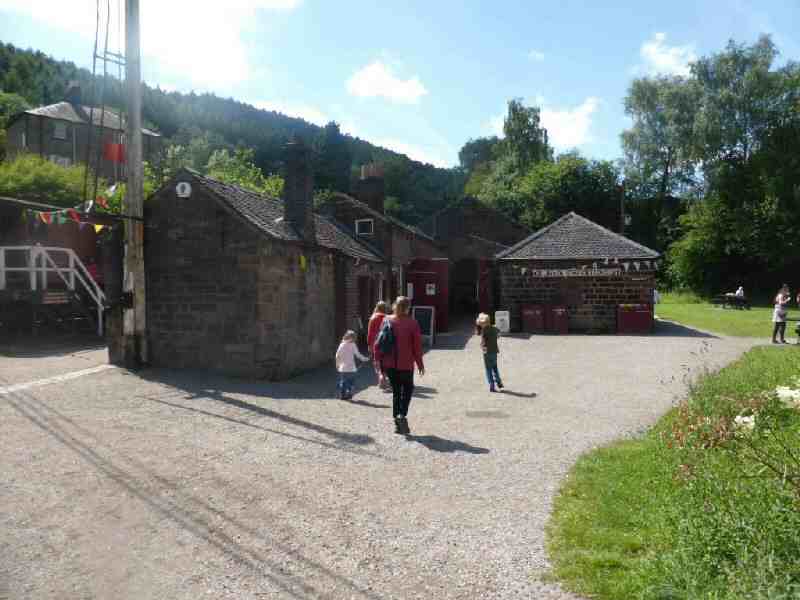
High Peak Junction Visitor Centre is an excellent place to start or finish a walk along the Cromford Canal or High Peak Trail. There is a wide selection of books and maps available, as well as an interesting railway video to watch. Light refreshments can be purchased, and there are picnic tables outside.
The best way to explore High Peak Junction itself is by hiring an audio guide, subject to availability, from the Visitor Centre. Normally open weekends only during the winter and every day in the summer. Please check the opening arrangements before travelling.
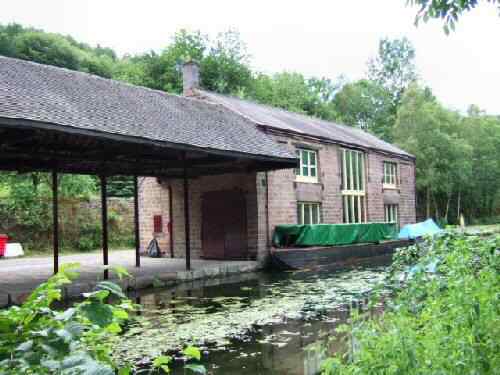
THE WORKSHOPS
The High Peak Junction Workshops date from the earliest days of the railway, being built between 1826 and 1830. They remain virtually unchanged since their railway days, with tools, railway artefacts, a joiner’s bench, a forge, and bellows. The cast-iron, fish-bellied rails on either side of the inspection pit could be the oldest length of railway line in the world still in its original position. A leaflet has been produced to enable visitors to identify the large array of memorabilia on display.
CROMFORD CANAL
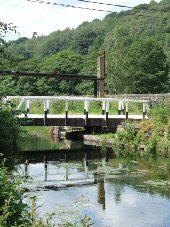
Completed in 1794, the Cromford Canal stretched 14.5 miles to Langley Mill, where it joined the Erewash Canal. With a tunnel and two aqueducts, the canal was built to carry limestone from quarries at Crich to the iron foundry at Butterley. It was extended to serve Richard Arkwright’s Cromford Mills, and it became very busy and profitable as a result.
There was, though, the need to find a much shorter route to link the East Midlands with Manchester. The original intention had been to construct a canal to connect William Jessop’s Cromford Canal with Benjamin Outram’s Peak Forest Canal. Difficulties, however, in ensuring an adequate water supply on the limestone moors led to the scheme being dropped.
CROMFORD AND HIGH PEAK RAILWAY
Proposals were then put forward and accepted to build a railway, which was built on a similar alignment to the abandoned canal project. This involved steep inclines, up and down, on which wagons were hauled on cables by steam-driven winding engines.
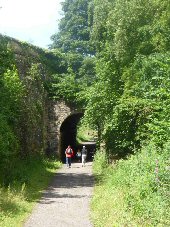
The construction of the Cromford and High Peak Railway line was an engineering masterpiece which attracted railway enthusiasts, not only from this country but all over the world. It linked High Peak Junction at two hundred and seven above sea level with Whaley Bridge at five hundred and seventeen feet. In the middle, it rose to over a thousand feet at Ladmanlow. Stretching for thirty-three miles in length, the line was fully opened in 1831, when it was used to transport minerals, corn, coal, and other commodities from one canal to the other.
Initially, horses were relied on to pull the trucks along the flatter parts of the route, but steam began to replace them in 1833 when the first locomotive came on the scene. However, it was some thirty years before horses were entirely replaced by locomotive power. The line continued to play an integral part in linking the canal system until 1853, when it was connected to the rapidly expanding railway network and became a branch line serving local needs.
Following the closure of the Cromford and High Peak Railway, it was purchased jointly by Derbyshire County Council and the Peak Park Planning Board and, in partnership with the Countryside Commission, converted into the High Peak Trail.
TEN FASCINATING FACTS ABOUT HIGH PEAK JUNCTION
1. High Peak Junction is easily accessed from the large public car park at Lea Bridge, in Lea Road, from where a footbridge crosses the river Derwent, the railway, and the canal.
2. At the bottom end of High Peak Trail is a catch pit, built following an accident in 1888, in which two wagons jumped across both the canal and the Midland Railway! The last accident occurred in the 1950s, and the wreckage remains.
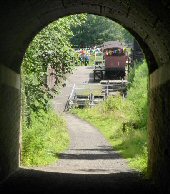
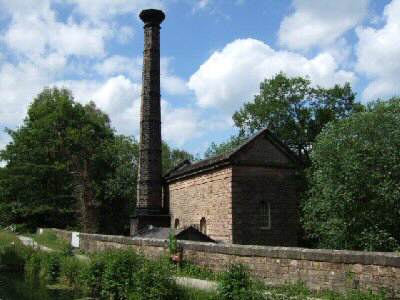
3. On the opposite side of the canal from the visitor centre, a short distance to the south, is Leawood Pumphouse. It was built in 1849, following water shortages, to pump water from the river to the canal.
4. Volunteers have extensively restored Leawood Pumphouse, and it can lift approximately five tons of water each minute, up to a height of 30 feet. Open to the public on ‘steaming days’ during the Summer.
5. Peter Nightingale II, who was born in 1736, took over the family business at Lea. He established a successful lead smelting business at Lea Bridge and extended an arm of the Cromford Canal up to where Smedley’s Car Park stands today. Florence Nightingale – renowned throughout the world for her nursing skills – was a direct descendant.
6. Cromford Canal supports an abundance of wildlife, and because of its value as a natural habitat, it has been designated a Site of Special Scientific Interest.
7. The southern end of the canal, from Whatstandwell to Ambergate, is managed as a Statutory Local Nature Reserve by the Derbyshire Wildlife Trust.
8. Lea Bridge is where you will find the John Smedley Mill Shop, founded in 1784 by John Smedley and his associate Peter Nightingale. It is internationally known for its high-quality knitwear.
9. The shop at High Peak Junction is in what was one of the former offices, and the oil and lamp store. The room at the end was the driver’s mess room.
10. Aqueduct Cottage, south of Leawood Pumping Station, was built initially as a “lengthman’s cottage” in 1802 by Peter Nightingale. However, it became derelict after the last inhabitants left in the 1960s. It has been restored, with help from local volunteers, and is now a visitor information centre for the Derbyshire Wildlife Trust.
HIGH PEAK JUNCTION WALK