A TO Z – DERBYSHIRE AND THE PEAK DISTRICT – CHAPTER 38
PILSLEY (on the B6012 through Chatsworth Park, west of Chatsworth House – SK240710)
There are two villages of the same name in Derbyshire: one is a former mining village near Clay Cross in North East Derbyshire, and the other is a village on the Chatsworth Estate. Visitors using their satellite navigation systems to guide them need to be careful not to end up at the wrong place.
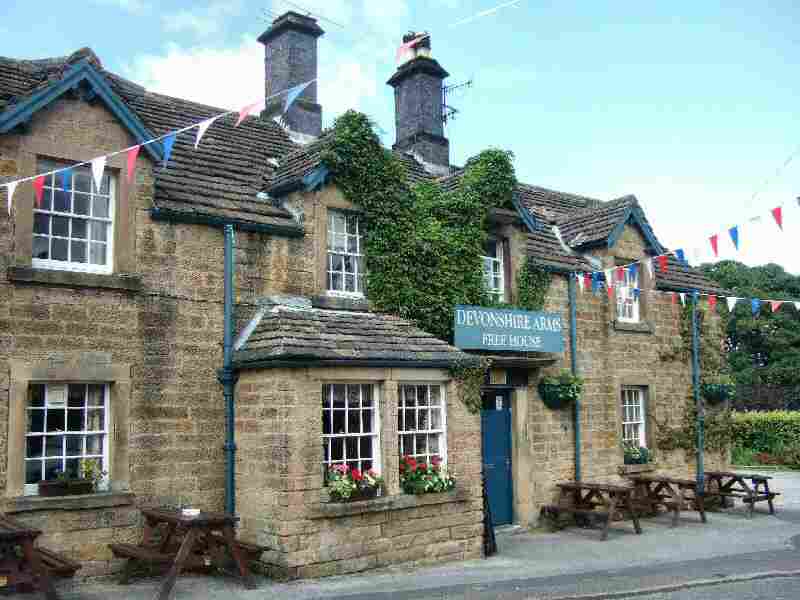
Most visitors to Pilsley visit the highly popular Chatsworth Farm Shop and hardly cast a passing glance at the village on the opposite side of the road. Those who do find a pretty, unspoilt village with magnificent views over the Derwent Valley, its limestone cottages enriched during the summer by gardens full of colour. It lies about one mile east of Chatsworth House, and with Edensor and Beeley makes up the three Chatsworth Estate villages. They tend to share facilities; Pilsley has a school and a pub, Edensor has a church and an institute, and Beeley has a church and a pub. Both pubs are called the Devonshire Arms, which can create confusion at times.
Chatsworth Farm Shop has been so successful that further expansion has taken place in the last few years, including an enlargement of the restaurant facilities. It occupies what was the Stud Farm, built in 1910 by the ninth Duke of Devonshire to house the stallions for breeding the Shire Horses that worked on the estate.
PILSLEY (north-eastern Derbyshire near Clay Cross and Chesterfield – SK424621)
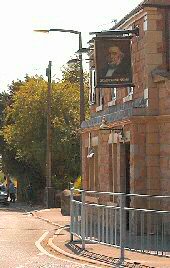
Pilsley is a rural village in northeast Derbyshire, comprising two distinct residential areas: Lower Pilsley (northern area) and Pilsley, also known as Upper Pilsley. It is mentioned in the Domesday Book as one of the manors belonging to Walter D’Aincourt. Initially, it was mainly an agricultural settlement before the founding of Pilsley Colliery in 1866 on the site of the present-day Locko Plantation. At its peak, the colliery comprised six shafts, employed 945 men and produced 1,200 tons of coal per shift. The colliery was closed in 1957.
A section of the East Midland Mainline railway line (Nottingham to Chesterfield section) runs along the western edge of the village. Before Beeching axed it in the 1960s, the Great Central Railway ran through the village. The railway line now serves as a popular walking, cycling and horse-riding trail known as the Five Pits Trail (featured on this website), linking Pilsley to Tibshelf, Holmewood, Grassmoor and beyond.
POOLE’S CAVERN (off the B5059 at Buxton, south of the town centre – SK051726)
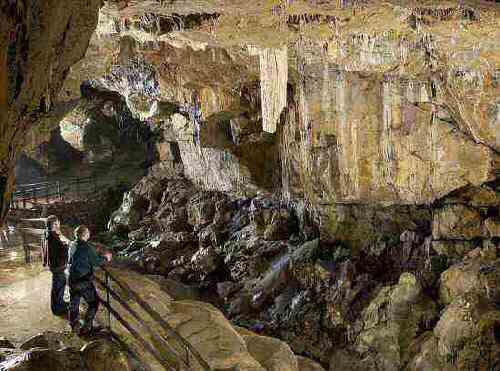
After enjoying the fantastic views and woodland walks at Grin Low, you can visit Poole’s Cavern. It is situated lower down the hillside than the woodland walks. Here you can take a guided tour of its magnificent underground chambers. Described by Charles Cotton in 1681 as ‘The First Wonder of the Peak’, the incredible stalactites, stalagmites and crystal flowstone have earned the show cave the title of the ‘most spectacular Cavern in Derbyshire’. Refreshment facilities and a car park are available.
POTT SHRIGLEY (about 1 mile north of Bollington, on the western border of the Peak District – SK945792)
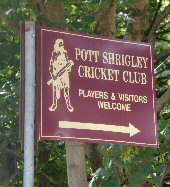
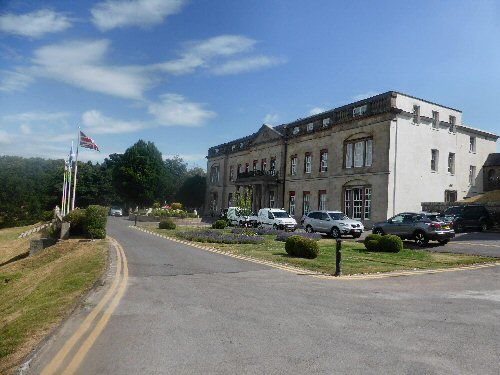
The houses in the centre of the picturesque village of Pott Shrigley huddle together close to the top end of two valleys with Holme and Nab woods rising to the rear. In all directions, there are beautiful trees and fields with flocks of sheep grazing that give the village a distinct rural identity. Pott Shrigley has a long and fascinating history, which for many years revolved around Shrigley Hall and its estate, with a focus on farming and, later, mineral extraction. The hall was built in the 14th century by the Downes family, who lived there for approximately 500 years. It was rebuilt on a grander scale in the early 19th century by William Turner, and in the 1980s, it was converted into a hotel, which it remains today. In the spring, the bluebells along the road up the hill towards Shrigley Hall are an impressive sight and attract large numbers of visitors.
QUEEN MARY’S BOWER (to the west of the bridge over the River Derwent by the drive to Chatsworth House)
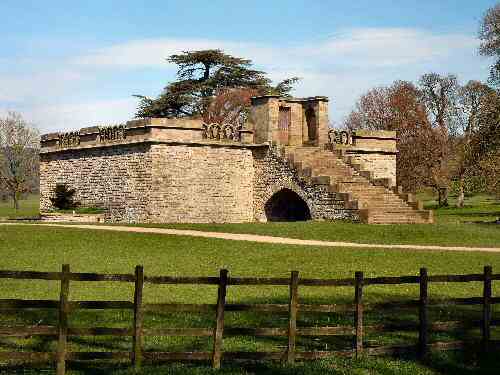
Queen Mary’s Bower got its name because Mary, Queen of Scots, was held prisoner at Chatsworth five times between 1570 and 1581. Here, she was allowed to exercise in a secure environment close to the River Derwent and surrounded by beautiful countryside.
QUEENS PARK, CHESTERFIELD (off the A6190 at Chesterfield, south of the town centre – SK380708)
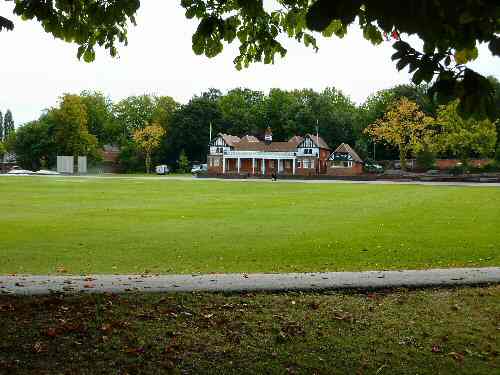
Lovely Queens Park is only a few minutes’ walk away from Chesterfield town centre, with its boating lake, miniature railway and children’s play area. The jewel in the crown is its cricket ground, widely acclaimed by sports writers everywhere as one of the most picturesque grounds anywhere in the world.
It appeared that after celebrating its centenary in 1998, Queen’s Park would be permanently lost to Championship Cricket. The decision to discontinue the use of the ground arose because the facilities were inadequate, which had created unease among members, players, and visitors. Fortunately, Derbyshire CCC returned in 2006, after the ground had undergone a £4.7m facelift. A First-Class County Cricket festival is now held annually at the ground at the end of July/beginning of August. It is one of the highlights of the county cricket club’s year.