RIPLEY VISITOR GUIDE

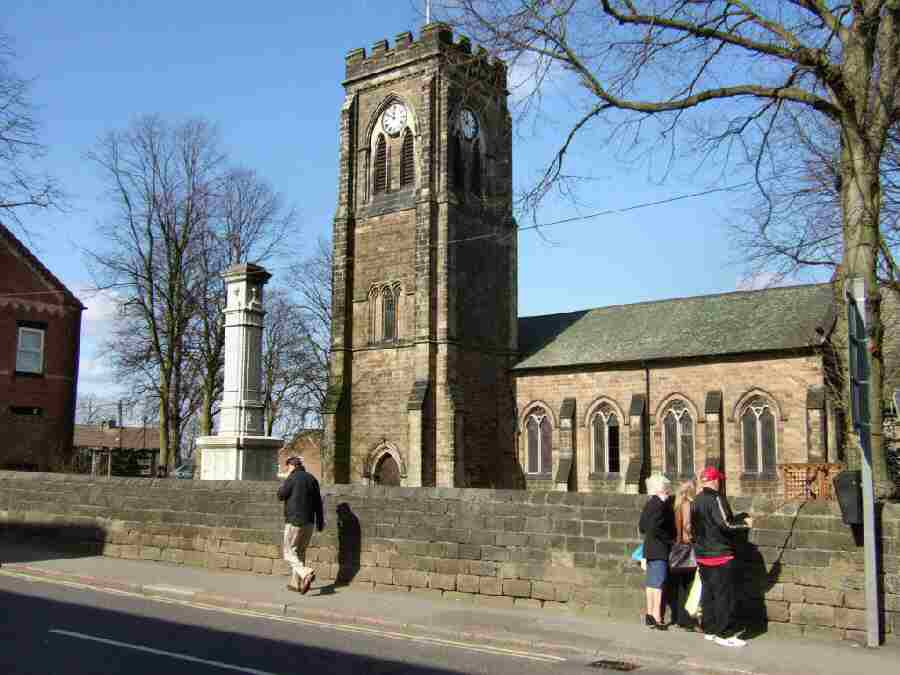
All Saints' Church, Ripley

PLAN YOUR VISIT

Location:    Ripley is off the A610 Ambergate to Langley Mill Road (SK398506).

Visit:    Midland Railway – Butterley, a fine heritage railway with trains running regularly on a seven-mile trip through the Amber Valley countryside. The Railway Museum contains a unique collection of restored locomotives and rolling stock. There is a lot more to see, including narrow gauge railways, the stationary power gallery and the Country Park, representing a great day out for all the family.

Refreshments:    There is a wide range of pubs, restaurants, and cafes in and around Ripley.

Walk:    Shipley Country Park, which offers 600 acres of attractive and varied parkland and 18 miles of footpaths and bridleways.

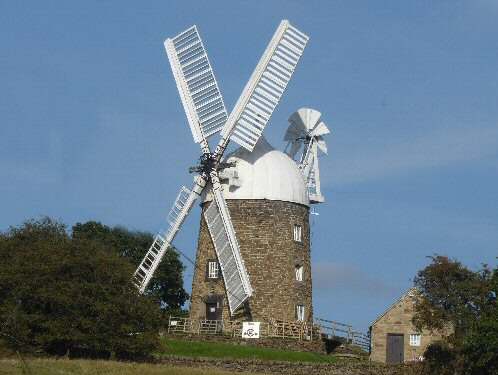
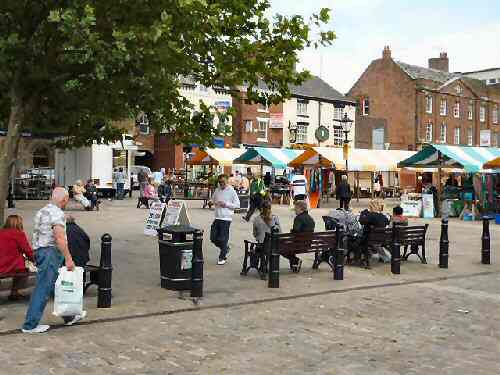
Special Places of Interest in the Locality:    Heage Windmill, a Grade II listed building, is the only working, stone-towered, multi-sailed windmill in England. Spectacular views across the Derwent Valley. Visitor Centre and shop. Light refreshments. Check opening times. – Crich – National Tramway Museum boasts an extensive array of vintage trams from all over the world. Unlimited rides are available through a period street to stunning views over the Derwent Valley – Chesterfield is a busy redbrick town, with stalls doing a lively trade on market days: a delightful Queen’s Park cricket ground, and an unusual church spire. Second only to Derby in population in the county, it is quite different in style and character to any of its neighbours in the Peak District National Park.

Heage Windmill
Heage Windmill
Chesterfield Market Place

INTRODUCTION

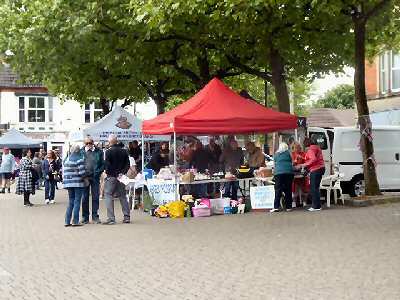
Ripley stands in an elevated position with good views across the valleys of the Amber and Derwent. The marketplace is the focal point of the town; a charter to hold a market and fair on the village green was first granted in 1251 by Henry III. Although the outdoor market is not as busy as it used to be, Ripley is a good place to shop with many independent shops.
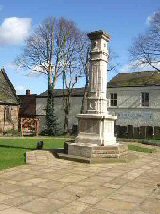
War Memorial
War Memorial

INDUSTRY

Since at least the 13th century, coal has been worked in the area, and along with iron became a major industry. In 1790, Benjamin Outram and partners formed the Benjamin Outram Company, which was renamed after he died in 1805 as the Butterley Company to exploit the mineral wealth in the locality. It was Outram who constructed one of the earliest Colliery railway tracks from Ripley to Little Eaton, where it met a branch of the Derby Canal. The town also developed silk and cotton manufacturing.

BUTTERLEY COMPANY

The company engaged in a wide range of projects, including making cannons for the Napoleonic War, cast iron colonnades for the front of London’s Opera House, and, probably most famous of all, helped to rebuild the great cast iron roof at St Pancras Station in London. In later years, it became involved in quarrying and brick making. At its peak in the middle of the 20th century, it employed approximately 10,000 workers.
The town also developed silk and cotton manufacturing and coal mining.

RAILWAY – TRANSPORT

The town was served by Ripley railway station from 1890 to 1951, connecting it to the Erewash Valley Line and the Nottinghamshire and Derbyshire Tramways Company. But there were many more railway lines in the area with steam engines pulling heavy trucks laden with coal and other minerals. The Butterley Company had 20 miles of track with attendant noise and smoke lasting all day, making Ripley a far from peaceful town. To add to this, the Butterley furnace yard lit up the night sky with the glow of the fires.
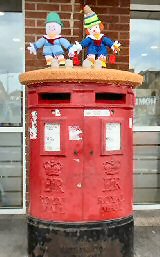
Decorated Post Box
Decorated Post Box

TRADE DIVERSIFICATION

In 1793, the Cromford Canal was completed with a junction at Ripley, the Derby to Chesterfield Turnpike road arrived early in the 19th century and the railway in 1856. Progressively, Ripley emerged as a trading centre as well as an industrial location. In 1860, the Ripley Co-operative Society came into existence and, after moving to larger premises 19 years later, steadily attracted more people from outlying villages to shop in the town.

Industry in the town continued much as it had done in the previous century until the 1960s. When the local coal mines began to close, the Butterley Company began to decline gradually. All this led to the provision of light industrial estates and other forms of employment for many local people.

RIPLEY RATTLER

Between 1913 and 1932, anyone standing in Ripley Market Place would be able to hop on board the ‘Ripley Rattler’ for a ride on what was considered the most dangerous tramway in Britain. It ran for 11 miles, from Upper Parliament Street in Nottingham to Ripley, with several stopping points on the way and was the longest tramway in the world.
The tramway was so notorious that D H Lawrence, who lived only a few yards from the line, was moved to write an amusing short story, ‘Tickets Please’.

The single track had 316 passing places, all on the left-hand side of the main track, so that when riding from Nottingham, passengers had to endure a succession of swinging movements, the more violent the faster the tramcar travelled. Accidents happened regularly; trams reportedly got jammed under bridges, came off the track, and on one occasion, a double-decker tram crashed into the church wall at Heanor and threw the passengers travelling on the top deck into the graveyard. A woman saving a child from being run over lost her life, and a man named Harry Parkin was honoured for bringing a runaway tram to a halt.
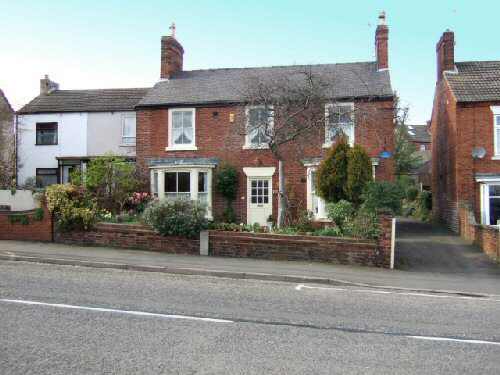
Barnes Wallis Birthplace, Ripley
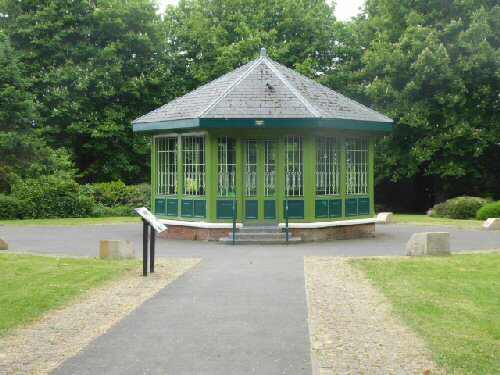
Bandstand, Crossley Park, Ripley

TEN FASCINATING FACTS ABOUT RIPLEY

1. In 1887, Cromer House on Butterley Hill was the birthplace of Sir Barnes Wallis. He designed the R100 airship, the Wellington and Wellesley bombers and developed the swing-wing plane. However, he is best known for inventing the ‘bouncing bombs’ technique, which in 1943 breached the Ruhr Valley Dams in the heartland of industrial Germany.
2. A plaque and memorial museum in the west tower of Derwent Dam retells the story of the ‘Dambusters’, which many will have seen on film. The Derwent Dams were used during the Second World War to perfect the bombs.
3. In May 1958, Harry Greatorex, the owner of the Regal on Nottingham Road, Ripley, unknowingly pulled off a major coup by signing up The Drifters. Before the event, he persuaded them to adopt the name of their lead singer, Harry Webb. However, he did not think that name sounded right, so Harry Webb became Cliff Richard!
4. Butterley Station is the home of the Midland Railway, where you can enjoy train rides and begin your journey back through time.
6. Butterley Reservoir, at the bottom of Butterley Hill in the north of the town, has pairs of great crested grebe, coot, moorhens and other birds to watch; there are platforms for anglers to use. There is a footpath that takes in the scenery, with the Midland Railway – Butterley in the background.
7. Ripley was once served by Ripley railway station on the Midland Railway Ripley Branch. It was also the northern terminus of the Nottinghamshire and Derbyshire Tramways Company, and later the Nottinghamshire and Derbyshire trolleybus system.
8. Crossley Park is a Green Flag-winning park situated a short walk from the marketplace. The bandstand of this attractive little Park offers musical entertainment during the summer.
9. Ripley Greenway is an approximately two-mile route open to walkers, cyclists and horse riders. Created out of the former Ripley Colliery and Ripley branch railway.
10. Morris dancing was revived in Ripley in 1981, and in 2025, a special celebration took place to mark the 100 years since dancing commenced. In the 1930s, the annual Children’s Folk Dance attracted over 500 participants each year. One year even exceeded 1000.

SHIPLEY COUNTRY PARK WALK

Ripley Market Place
Ripley Market Place
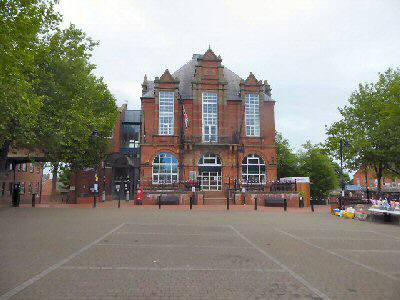
Ripley Town Hall
Ripley Town Hall
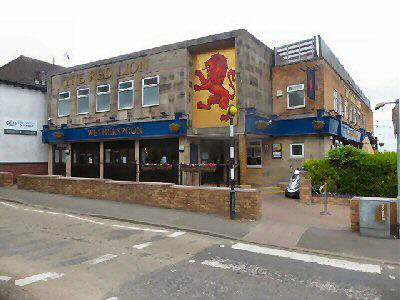
Red Lion, Ripley
Red Lion, Ripley