INTRODUCTION
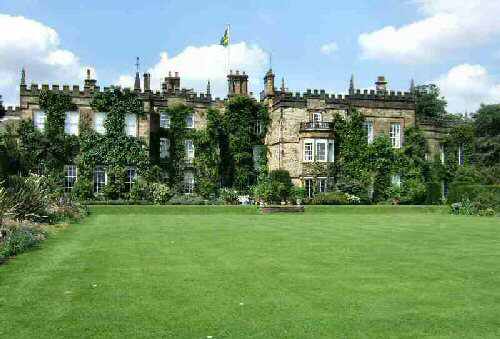
Staveley is one of Derbyshire’s most characterful towns — shaped by centuries of industry, strengthened by community spirit, and now reinventing itself through green spaces, heritage projects and waterside regeneration. Until a few years ago, there were several extensive coalfields around the town, but they have now closed.
For generations, the town was powered by ironworks, coal mining and engineering, becoming one of the most important industrial centres in the Midlands. The Staveley Coal and Iron Company, later part of the Staveley Works, dominated the landscape and provided employment for thousands. Its legacy still shapes the town’s architecture, layout and sense of pride.
For visitors, Staveley offers a fascinating blend of history, nature and local culture. For residents, it remains a place with deep roots, strong identity and a future full of promise. Today, while the heavy industry has gone, Staveley’s heritage is celebrated through local history groups, preserved buildings and community events that honour the town’s working-class roots.
REGENERATION
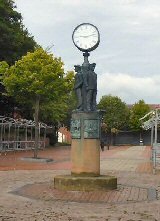
Staveley is undergoing one of the most ambitious regeneration programmes in Derbyshire. The Staveley Town Deal is transforming former industrial land into new housing, business spaces, parks and walking routes. The Chesterfield Canal corridor is central to this revival, bringing nature, leisure and tourism back to the heart of the community.
GREEN SPACES
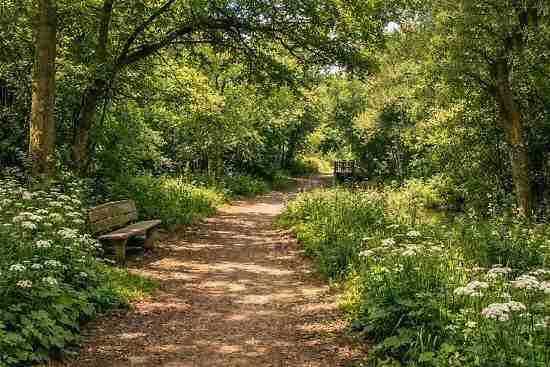
Green spaces surround the town, including Poolsbrook Country Park, a popular destination for walkers, cyclists, families and wildlife enthusiasts. Once a colliery site, it is now a thriving park with lakes, woodland and accessible trails.
POOLSBROOK COUNTRY PARK
It stands on the former Ireland Colliery site, once part of the area’s vast coal mining network. When the colliery closed in the 1980s, the land was scarred, unstable and unusable. But through an ambitious reclamation project, the site transformed into a 180-acre country park, officially opened in 1998.
The park’s creation involved reshaping the land, planting thousands of trees, creating lakes and wetlands, and designing accessible paths. Today, it is almost impossible to imagine the industrial landscape that once stood here.
STAVELEY HALL
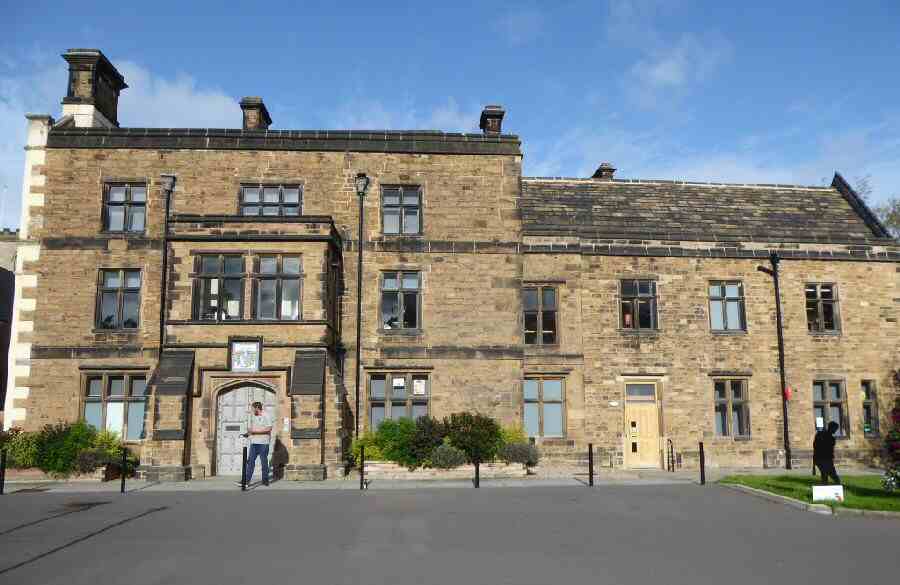
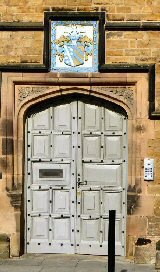
The Hall in its present form was built in 1604 by Sir Peter Frecheville (c.1571–1634), MP. Before the current building, there had been buildings on this site for over 700 years. Upon Local Government reorganisation in 1974, ownership passed to Chesterfield Borough Council, and later Staveley Town Council. It is now beautifully restored and serves as a vibrant community and business hub.
The 1604 heraldic shield above the front door of the Hall shows the arms of the father of Sir Peter Frechville.
HOLLINGWOOD HUB
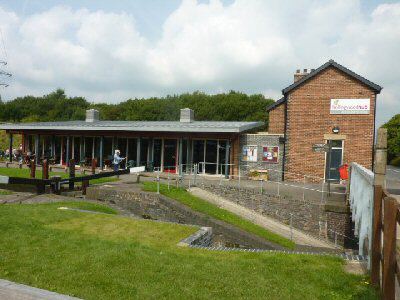
One of Staveley’s standout attractions is Hollingwood Hub, a beautifully restored canal-side centre on the Chesterfield Canal. It has become a favourite stop for visitors exploring the waterway and a social hub for local people. The Hub also acts as a gateway to the Staveley Town Basin project, which will eventually reconnect the canal fully to Chesterfield, bringing boats, tourism and new life to the area.
LOCAL EVENTS
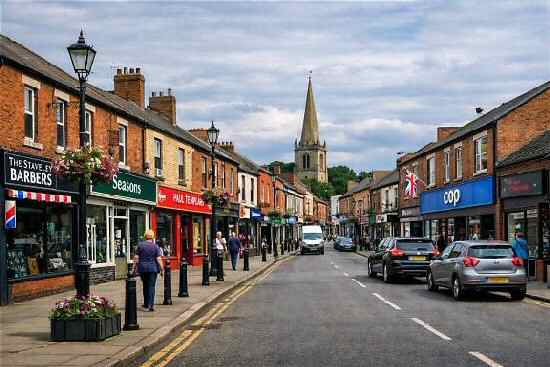
Local events such as Staveley Carnival, Christmas lights switch-on, and heritage open days bring residents together. The town centre offers independent shops, traditional pubs, cafés and everyday services. At the same time, nearby Barrow Hill Roundhouse — Britain’s only surviving operational railway roundhouse — adds a unique cultural attraction.
TEN FASCINATING FACTS ABOUT STAVELEY
1. During the 19th and 20th centuries, Staveley was a world-renowned industrial titan driven by coal, iron, and chemical manufacturing. The Staveley Coal and Iron Company dominated the area, operating sprawling ironworks, foundries, and numerous collieries, including the famous Ireland Pit. At its peak, the enterprise was one of the largest employers in the county.
2. Staveley’s chemical works played a massive role in global pharmaceutical production. The local facility was highly renowned for manufacturing p-aminophenol. This specialised chemical compound is the primary active raw material used to produce paracetamol.
3. The Chesterfield Canal arrived in Staveley in the 1770s to transport industrial goods. Today, the canal is a commercial highway and stunning eco-tourism asset. The modern Staveley Town Basin, which opened in 2012, forms the core of ongoing restorations led by the Chesterfield Canal Trust, creating a popular destination for walkers, cyclists, and boaters.
4. An exceptionally dense network of railway lines once crisscrossed Staveley, served by four separate stations. The Staveley Works site featured complex, tightly curved tracks known as “spaghetti sidings,” engineered to cram maximum transport infrastructure into a highly compact manufacturing space.
5. While it has a rugged industrial past, modern Staveley is celebrated as an exceptionally safe and welcoming place to live. Local crime data ranks the town’s crime rate significantly below the regional and national averages. Combined with highly affordable housing, this tight-knit community feel makes it an increasingly popular spot for young families and commuters moving to Derbyshire.
6. For outdoor enthusiasts, Staveley serves as a major gateway to the famous Trans Pennine Trail. This coast-to-coast route passes right through the town centre. Also, the disused railway lines and picturesque canal towpaths have been transformed into safe, flat paths, offering seamless, green travel links for cyclists and hikers travelling towards Sheffield or the Peak District.
7. Apart from massive iron and steel works, Staveley was historically famous for smaller-scale, highly specialised manufacturing. For generations, local firms like Dudley & Son excelled in the art of spade and shovel making, supplying durable agricultural and industrial hand tools across the country.
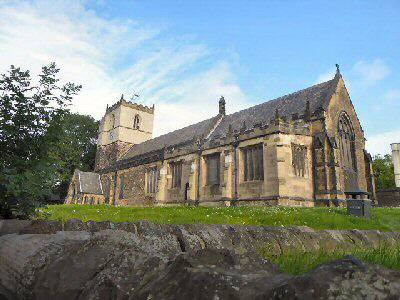
8. In 1893, the Miners Welfare built an indoor market hall, known as Markham Hall, in memory of the man who played a significant role in the area’s development. The impressive-looking Staveley Hall is to the northeast of St. John the Baptist Church in the town.
9. The Staveley Pudding, a traditional local dessert, is still made for community events and heritage days.
10. The town is home to Netherthorpe School, an educational institution founded way back in 1572 and established through the philanthropy of local judge Francis Rodes. Over the centuries, the school has educated prominent historical figures, including politicians and academics, maintaining an unbroken tradition of learning in the parish for well over 450 years.
WINGERWORTH AND GREAT STUBBING POND WALK