INTRODUCTION
Tibshelf is one of those Derbyshire villages that quietly surprises you. Set between the rolling countryside of the Amber Valley and the former coalfields of North East Derbyshire, it blends rural beauty with a proud industrial past. For visitors, it’s a place with real personality—friendly, walkable, and full of stories. For locals, it’s a village that has continually reinvented itself while keeping its sense of community at the heart of everything. It has become a very popular place to live due to the proximity of the M1 motorway. The population at the 2021 Census was 4,348.
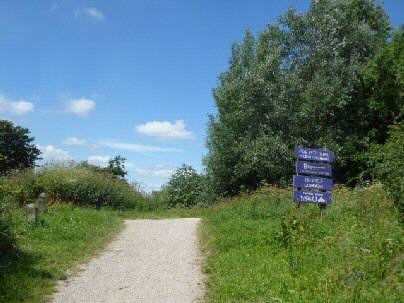
The countryside around Tibshelf is one of its greatest assets. The village sits on a gentle ridge, giving it wide views across Derbyshire. To the west, the landscape rises towards the Peak District; to the east, it opens out into farmland and former colliery land now reclaimed for nature. The Five Pits Trail is the star attraction for walkers and cyclists, offering miles of traffic-free paths linking Tibshelf with nearby villages such as Holmewood, Pilsley and Grassmoor. Once a busy mineral railway, it’s now a green corridor alive with birds, wildflowers and peaceful picnic spots.
TIBSHELF PONDS
Tibshelf Ponds, tucked just off the trail, are a favourite with anglers and families. The water is calm, the wildlife plentiful, and the setting ideal for a slow afternoon. It’s one of those places where time seems to pause—perfect for visitors wanting a break from busy towns and cities.
COAL MINING
The advent of coal mining saw the village grow rapidly. Charles Seeley leased the deeper coal seams and sunk new deep mine shafts at the Bottom Pits (1865 – 1936) and at the Top Pits (1891 – 1939). Industrial housing for the miners increased, and a colliery school and institute were built. On Newton Road, brickworks, coke ovens and a gas works were created. Clubs and societies, further education and instruction in first aid, a prestigious flower show, a silver band, a library and sponsored cricket, football and athletic clubs all sprang up.
EARLY SETTLEMENT
While Tibshelf is best known for its industrial heritage, it also has older stories to tell. The village’s name itself is thought to come from “Tibba’s Shelf”—a reference to an early landowner and the ridge on which the village stands.
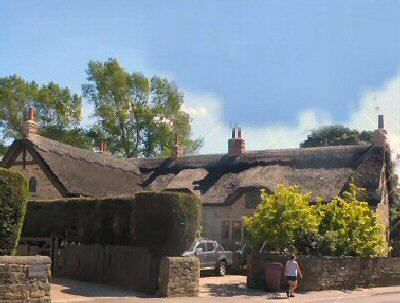
Scattered around Tibshelf are historic farmsteads, old cottages and traces of earlier settlement. Visitors who enjoy exploring quiet lanes and unexpected details will find plenty to appreciate.
WALKERS PARADISE
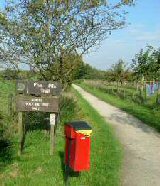
For walkers, Tibshelf is a gem. The Five Pits Trail is the headline route, but the surrounding countryside offers many alternatives. Footpaths lead across fields, through woodland and along old railway lines. Wildlife is abundant: kestrels hover over the reclaimed land, foxes slip through hedgerows, and ponds attract ducks, herons and dragonflies.
Cyclists will also find Tibshelf an ideal base for exploring the wider network of Derbyshire trails. Families love the safe, level paths; seasoned cyclists enjoy linking the Five Pits Trail with the Silverhill Trail and beyond.
THE CHURCH OF ST JOHN THE BAPTIST
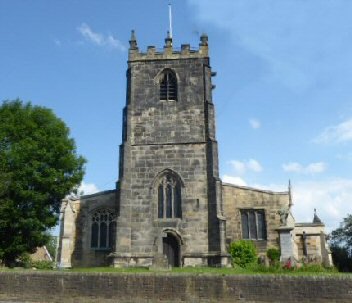
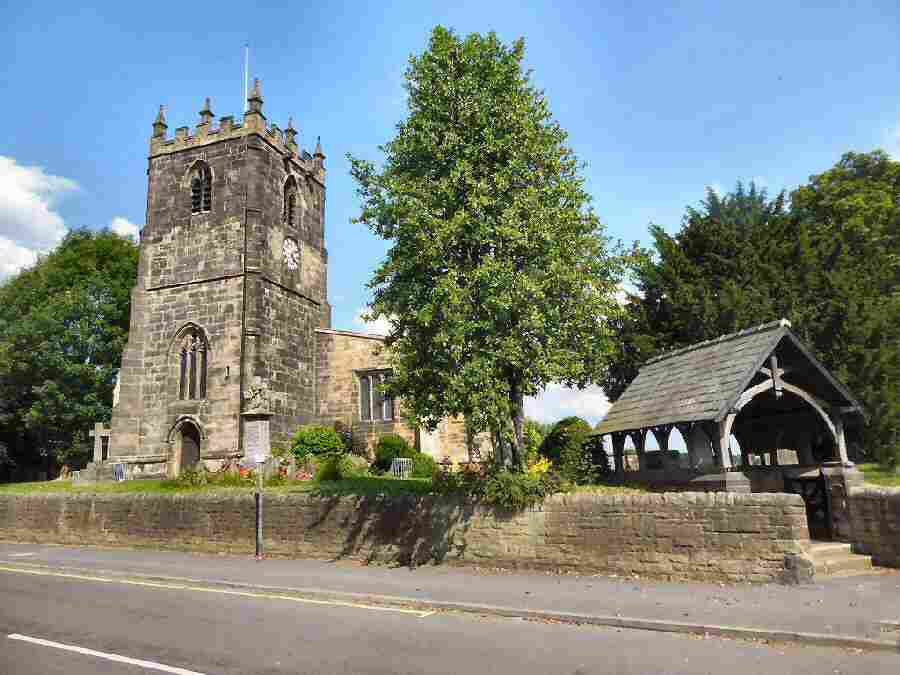
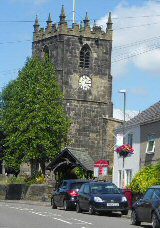
The parish church of St John the Baptist is one of the village’s oldest landmarks, with its peaceful churchyard and attractive architecture, and is a reminder of Tibshelf’s rural origins. The Church has been a focal point for generations, hosting baptisms, weddings, funerals and community events. Inside, visitors will find memorials to local families and reminders of Tibshelf’s agricultural past. The building remains an important part of village life and a quiet place for reflection.
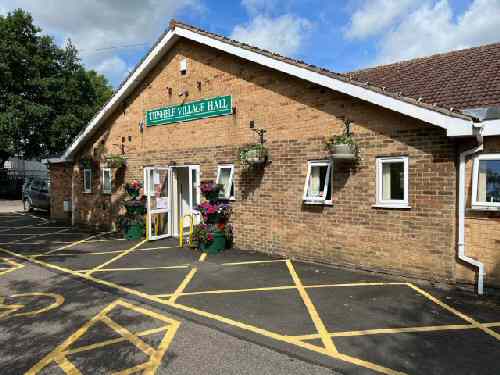
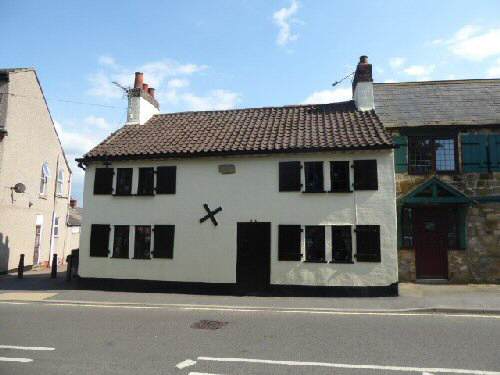
TEN FASCINATING FACTS ABOUT TIBSHELF
1. Tibshelf Colliery, opened in 1866, holds the distinction of being Derbyshire’s first deep coal mine. It transformed the village almost overnight, bringing workers from across the region and creating new streets, shops and services. At its peak, the Colliery employed hundreds of men and produced thousands of tonnes of coal each week. The mine closed in 1986, but its legacy remains central to Tibshelf’s identity. Many families still share stories of life underground, and the reclaimed colliery land now forms part of the scenic Five Pits Trail.
2. Many of Tibshelf’s streets were built specifically to house miners and their families. Rows of terraced homes created close-knit neighbourhoods where people looked out for one another. Community spirit was strong, with shared traditions, local clubs and social gatherings forming part of everyday life. Even after the Colliery closed, this sense of togetherness remained. Visitors often comment on Tibshelf’s friendly atmosphere—a legacy of its mining past.
3. Much of Tibshelf’s surrounding landscape has transformed from former industrial land into green spaces. Large areas were reclaimed, reshaped and planted with trees and wildflowers. Today, these areas form part of the Five Pits Trail and other leisure routes. Wildlife has returned in abundance, and the land is used for walking, cycling, fishing and family outings—a powerful example of environmental renewal.
4. The Five Pits Trail is one of Derbyshire’s best leisure routes, stretching for miles along former mineral railway lines. It links Tibshelf with nearby villages and offers a peaceful, traffic-free environment for walkers, cyclists and families. The trail passes ponds, woodlands and wildlife habitats created from reclaimed colliery land. Once used to transport coal, it’s now a green corridor alive with birds, wildflowers and open views. For visitors, it’s an easy way to explore the area; for locals, it’s a daily escape into nature.
5. In 2025, Tibshelf Parish Council took ownership of Tibshelf Carnival, and in future it will be known as the Tibshelf Music Festival. For many summers going back decades, Tibshelf has enjoyed a village carnival at which the family can come together and enjoy a day of fun, food and entertainment. Now, under the stewardship of the Parish Council’s Events Committee, this tradition will continue for many more years to come following its rebranding as the Tibshelf Music Festival.
6. The name “Tibshelf” is believed to be a reference to an early landowner and the ridge on which the village stands. This elevated position gives Tibshelf wide views across Derbyshire, from farmland to former colliery landscapes. The ridge has shaped the village’s layout for centuries, influencing where farms, cottages and later mining streets stood. Even today, visitors notice the gentle rise of the land and the open skies that make Tibshelf feel spacious and welcoming.
7. Railways played a major role in Tibshelf’s development. The village was once served by multiple lines carrying coal, goods and passengers. Tibshelf Town Station and Tibshelf and Newton Station connected the village to the wider region, making travel and trade easier. Although the stations closed in the mid-20th century, their routes live on through the Five Pits Trail and other footpaths. Remnants of platforms, bridges and cuttings can still be found by keen explorers.
8. In the early 1960’s the M1 motorway made its way through the village, with aspirations and site provision made for a motorway service area. But Truste House Forte failed to take up their option, and it took until 1995 for a rival company to build on an adjacent piece of land.
9. The Tibshelf Oil Well, established in 1919, was the first mainland oil well in England and produced small quantities of high-quality oil until 1945.
10. Alfred Vardy Pope (1909 –1996), born in Tibshelf, played first-class cricket for Derbyshire between 1930 and 1939 and was in the club’s Championship-winning team of 1936. The only time the County won the Championship to date. His brothers George and Harold Pope also played for Derbyshire, with the former once playing for England.
ALFRETON PARK WALK