INTRODUCTION
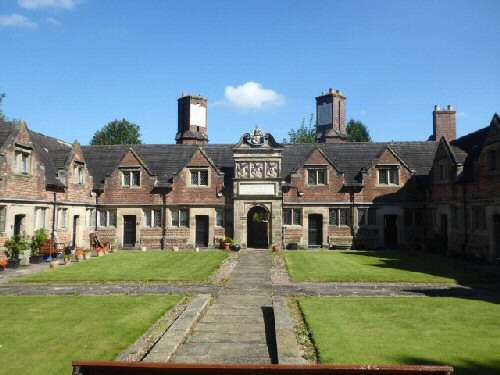
Etwall Visitor Guide describes the village situated to the southwest of Derby that has grown enormously since the end of the Second World War, but still retains an attractive village centre. St Helen’s Church and the Sir John Port Almshouses, set on rising ground, are particularly appealing. The fine wrought-iron gates by Robert Bakewell, that hang outside the almshouses, restored in the 1980s, add an extra touch of quality.
In the Domesday Book, the village was known as ‘Etewelle,’ meaning Eatta’s water. Eatta was a Saxon headman who settled in the village in the seventh century. He is understood to have built his manor where the church and almshouses are now to be found. Originally, the village developed on a sand outcrop, which covers a base of clay. The sand covering made it easy to dig down to the water stored in the clay base and create wells, and the good supply of water made it an attractive place to set up a settlement.
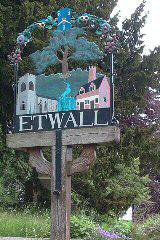
THE VILLAGE
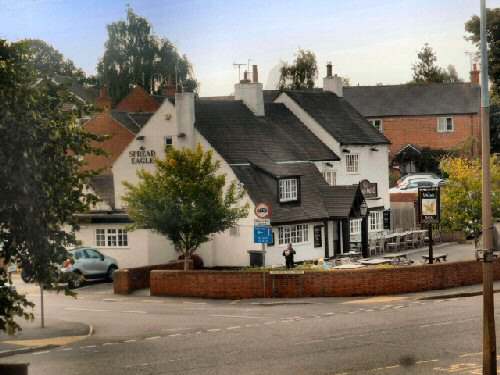
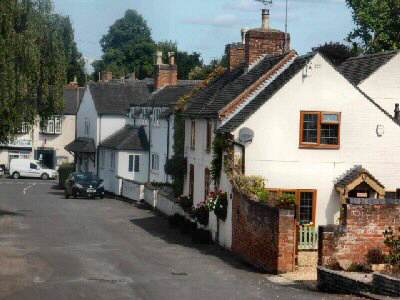
The village grew up along the main road from Uttoxeter to Derby before the bypass. Some of the old buildings still survive today, but have mostly been incorporated into more recent developments. Farming was the main activity until the early 20th century, and Etwall remained a small rural village until then. However, gradual improvement in communications and people prepared to travel further to work meant Etwall became an attractive place to live.
SCHOOLS
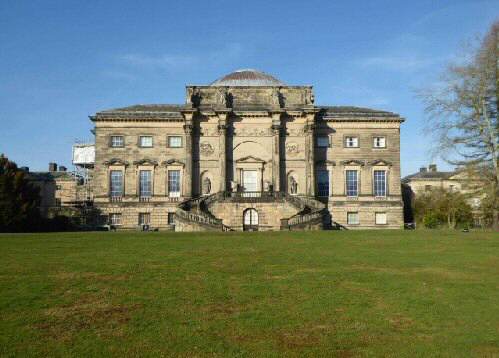
During the period from 1951 to 1981, the population tripled. It put the local schools under severe strain and, in 1952, the Derbyshire County Council bought Etwall Hall from Reg Parnell, the famous racing car driver. He bred pigs and kept a pedigree dairy herd at Findern. The hall had been used during the Second World War by the Army, first as a petrol depot and later as an equipment supply centre and was left in a somewhat dilapidated state. A secondary modern school as well as a secondary grammar school were built on the site. In 1959, the two schools amalgamated to form the John Port School.
THE PORT FAMILY
The name of the Port family, who once lived at the hall, has been associated with Etwall since the 15th century. The family’s most famous son, Sir John Port, was the founder of Repton School and Etwall Almshouses. It, therefore, seems entirely appropriate that the new school carries his name. The school, now an academy, is known as the John Port Spencer Academy and has over 2,000 students with plans to expand. The pupils travel in from a wide catchment area.
ST HELEN’S PARISH CHURCH
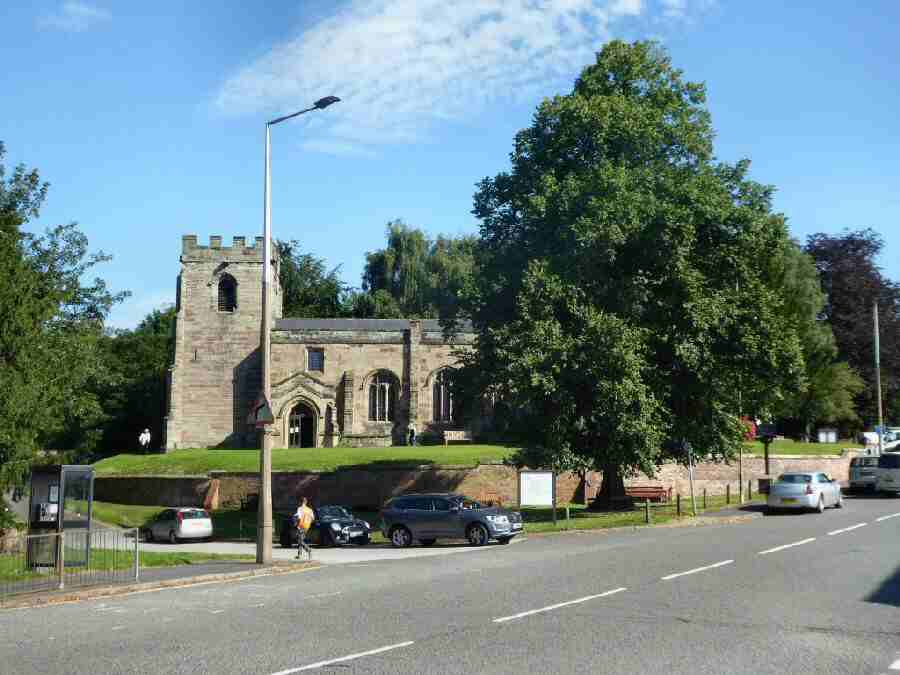
St Helen’s Parish Church is understood to date back to a small stone-built Saxon church. The present building dates from the 12th century when the church became monastic property. It has a Norman south doorway and a two-arched arcade which still survive, but the roof and almost all the stained glass are from the 19th century.
SIR JOHN PORT ALMSHOUSES
Walk a little further up Church Hill to admire the Sir John Port Almshouses at close quarters. The original almshouses lasted over 100 years before replacement in 1681 with a building to accommodate twelve men. In 1986, an extensive modernisation programme took place to provide eight two-storey units and two flats, but with the external appearance left unaltered. The ‘Bakewell Gates’ that once graced the entrance to Etwall Hall, but had for many years lain untouched in the cellar of the school, were returned to their former glory, and re-hung at the entrance to the almshouses. They date from 1715 and take their name from a local ironsmith with a national reputation whose work can also be seen at Derby Cathedral.
WELL DRESSINGS
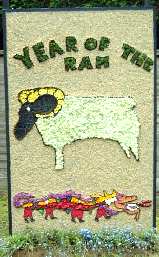
The Well Dressing in Etwall commenced in 1970 when the Etwall Primary School’s Parent-Teachers Association dressed a site near the old school well as part of its centenary celebrations. At the same time, Etwall Women’s Institute dressed the Town Well on the village green near the church. The money raised was used to help defray the costs of the school’s new learner swimming pool.
Although a comparative newcomer to the ancient tradition of well-dressing, Etwall is now up there with the best, not only for the actual dressing but also for the entertainment provided and the promotion of the event. Visitor donations, plus a percentage of the profits made on the various stalls and sideshows, have produced thousands of pounds for charities and deserving village causes.
VILLAGE HALL
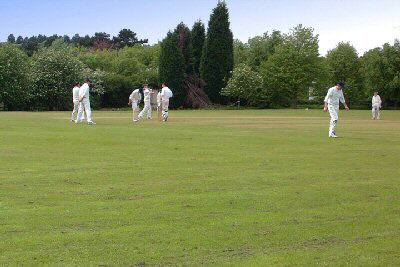
In May 1989, Councillor Frank Wickham cut the first sod in the construction of the village hall. Like his father before him, he had campaigned tirelessly to improve the facilities in the village. Sadly, he died three months later. In recognition of his 37 years of service, the new village hall was named after him. He was also involved in helping to provide recreational facilities for children with the opening of the King George V Field, the building of a library, a second playing field on Sandypits Lane, a bowling green and a sports pavilion.