HOPE VISITOR GUIDE

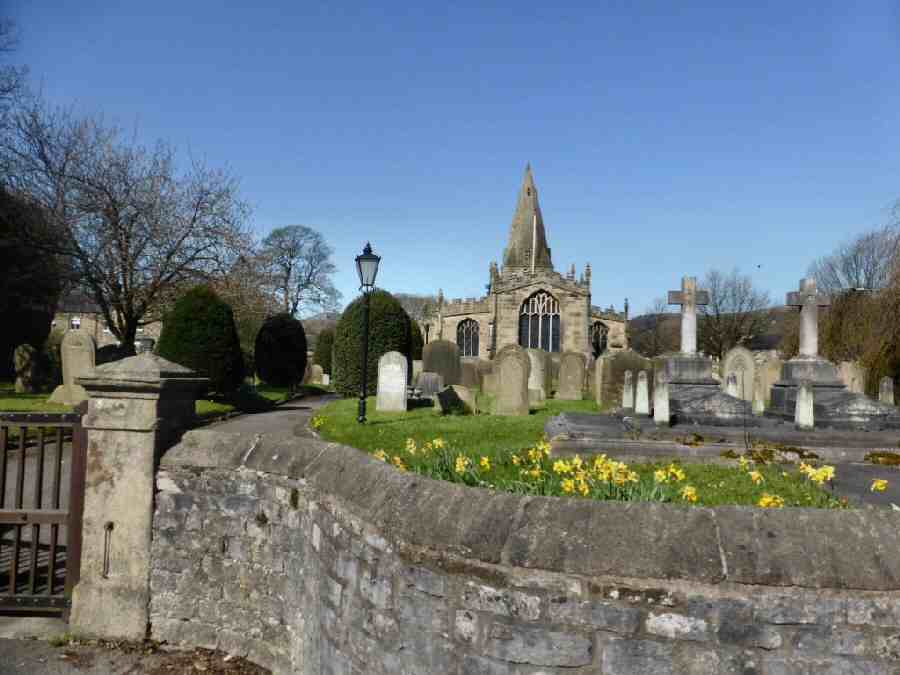
St Peter's Church, Hope

PLAN YOUR VISIT

Location:    On A6187 between Castleton and Hathersage. Hope Railway Station stands back from the A6187 up a short access road east of the village. (SK172835)

Visit:    The Parish Church of St Peter was built in the English Gothic style, known as perpendicular, and is over 700 years old. It is full of interest, from the grotesque gargoyles around the church to the font that probably dates to the early 1300s and was retrieved from the vicarage garden in 1907.

Refreshments:    There are several places in Hope where you can obtain refreshments, including the Cheshire Cheese Inn along Edale Road. There is a good selection of cafés, pubs and restaurants in Castleton.

Walk:    Apart from a steady climb up to Losehill Farm, this walk is relatively easy and manages to pack in plenty of variety as well as magnificent scenery. After leaving Losehill Farm and passing through several fields, Hollowford Road leads you to Castleton. Castleton is famous for its four show caverns, of which only Peak Cavern is a true cave. Leaving Castleton behind, Peakshole Water, named after its source at Peak Cavern, is followed for a short distance. After crossing a railway line used by the Cement Works, it is not long before you reach Pindale Road and return to Hope.

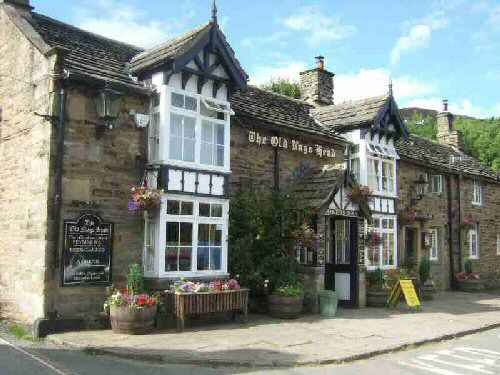
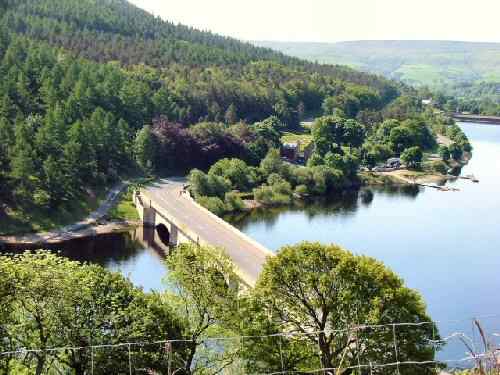
Special Places of Interest in the Locality:    Ladybower Reservoir is situated in the Upper Derwent Valley at the heart of the Peak National Park, in an area often referred to as the “Lake District of the Peak.” Surrounded by magnificent countryside where water and woodland, topped by high moors, predominate. Forestry has become an important factor in recent years, and the sides of the valley are covered in conifers. – Castleton, frequently called the gem of the Peak, is one of Britain’s most appealing villages. It is in a magnificent location with fantastic views in all directions. Castleton Caverns are, without doubt, the most spectacular collection of caverns in the country. – Edale is a picturesque village; its stunning location attracts thousands of visitors throughout the summer and on weekends in winter. The Nag’s Head Inn at Edale is the traditional starting point of the 270-mile Pennine Way Trail, as it winds its way north to the Scottish border at Kirk Yetholm.

Nag's Head, Edale
Nag's Head, Edale
Ladybower Viaduct
Ladybower Viaduct

INTRODUCTION

Hope is surrounded by superb scenery and excellent walking country, and gives its name to the valley in which it lies. A village of great antiquity, it was once a centre of prehistoric trackways and later Roman Roads. The Romans’ most important fort in the Peak District was established at Navio, about one mile to the southeast of Hope, near the tiny hamlet of Brough.

Nowadays, Hope offers visitors the choice of welcoming pubs, shops, and tea rooms, as well as the opportunity to explore a village of great character with a fascinating tale to tell. It is an excellent starting point for walkers who can choose easy valley bottom walks or more strenuous hill walks. On the northern side of the village, Win Hill and Lose Hill are very prominent features.

ST PETER’S PARISH DHURCH
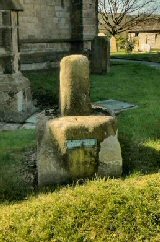
Eccles Cross, Hope
Eccles Cross, Hope

A place of worship has stood on the site of the Parish Church of St Peter for over 1,000 years; the present church has been in existence for more than 700 years. It is light and airy inside and is very interesting for visitors. To mark the Golden Jubilee of Queen Victoria in 1887, the oak panels from the former box pews were refixed to the walls.

Outside the church, numerous fascinating gargoyles are around the roof, ‘hideous’ to some! A very worn but recognisable carving of a Celtic Face is on the north wall of the Church tower. Close to the church is the Eccles Cross, which previously stood on Eccles Hill to mark a place of worship. On the southern side of the church, standing on either side of the path, are a Saxon Cross and an old Market Cross. The shaft is all that remains of the Saxon Cross, discovered broken into two pieces.

HOPE SHEEPDOG CLUB

In 1944, the Hope Sheep Dog Club was formed to provide support for the Red Cross in the Second World War. After operating independently for five years, it merged with the Agricultural Society, and the first joint show occurred. Today, the show is extremely popular and takes place on the August Bank Holiday Monday each year. In particular, the Sheepdog Trials provide a fantastic spectacle for the country lover and city dweller.
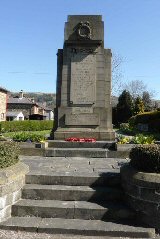
Hope War Memorial
Hope War Memorial

THE MIDLAND RAILWAY

Following the arrival in the valley of the Midland Railway in 1894, housing development expanded as business opportunities increased. Tourists came from Manchester and Sheffield along the Hope Valley line, often alighting at Hope Station, a short distance to the east of the village, to walk, enjoy the scenery and buy gifts and refreshments.

BIRCHINLEE

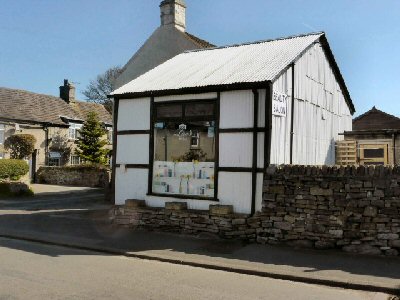
The building of the Derwent and Howden Dams brought an army of construction workers and their families into the area, housed in the temporary village of Birchinlee in the Upper Derwent Valley, known locally as ‘Tin Town’. Many families stayed on completion of the work, making Hope their home. Along Edale Road, opposite the farm shop, is probably the last surviving building from the temporary village of Birchinlee. It is now a beauty salon.

THE OLD HALL HOTEL

The Old Hall Hotel, originally Hope Hall, was the Balguy family’s home. In 1715, after John Balguy had obtained a charter for a weekly market, a cattle and sheep market was held on the hall grounds. The market eventually closed down following the Foot and Mouth epidemic early this century, with the land being made available for housing development.

HOPE CASTLE

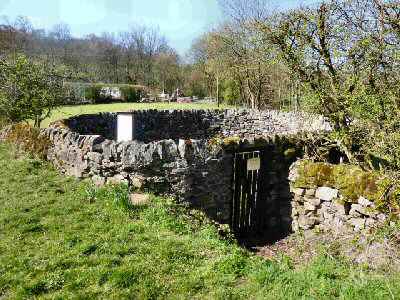
Hope Castle’s remains comprise an earthen mound seen from Pindale Road. It pre-dates Peveril Castle at Castleton by about 100 years. Further down the road, by the bridge, is a well-preserved Pinfold to restrain stray animals. The Cement Works, the area’s major employer, is further along the road.
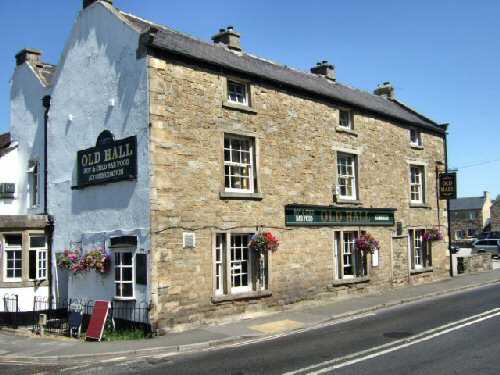
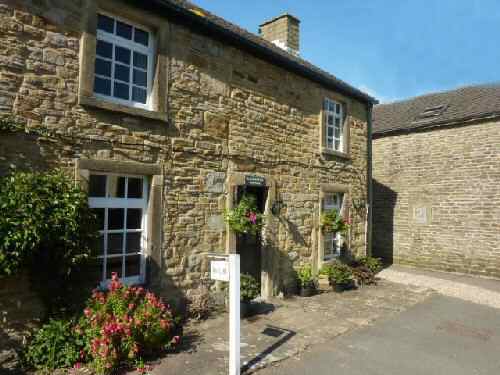
Old Hall Hotel, Hope
Blacksmith's Cottage, Hope

TEN FASCINATING FACTS ABOUT HOPE

1. The ancient Eccles Cross, which stands by the church’s north door, indicates that the area was inhabited before the Anglo-Saxon settlers arrived.
2. In 1086, during the Domesday Survey, Hope covered two-thirds of the Royal Forest of the High Peak and was one of the largest parishes in England. It was also one of the earliest centres of Christianity in the area, and the church was the only one mentioned in North Derbyshire in the survey.
3. The 16th-century Cheshire Cheese Inn on Edale Road got its name because salt carriers from Cheshire used it as an overnight stop and paid their dues in the form of cheese.
4. The scenic Hope Valley Railway line runs from Sheffield to Manchester, with many passengers alighting at Hope Station to explore the glorious countryside.
5. Daggers House, opposite the War Memorial, was built in the 18th century as the Cross Daggers Inn. It got its unusual name because it was used as a hostelry by carriers of cutlery from Sheffield to Manchester. The Shield of the Cutlers Company also includes the cross dagger symbol.
6. The road from Tideswell to Edale, which runs through the village, roughly follows the route of the old Portway, an ancient trading route.
7. Well-dressing takes place in Hope in July each year, and everyone is encouraged to participate in the event preparations.
8. At the side of the church is a Sheep Stile, which allows people through, but not sheep, who might eat leaves from the poisonous yew trees.
9. The Roman fort of Navio, to the southeast of Hope,  is thought to have been built primarily to protect Roman lead mining interests in the Peak District.
10. You will need a keen eye to pick out the tops of the stocks set in the north wall of the churchyard near the gate. They were moved in the 1860s following the demolition of a group of ancient cottages.

HOPE AND CASTLETON WALK

Former Birchinlee Residence, Hope
Pinfold, Pindale Road, Hope
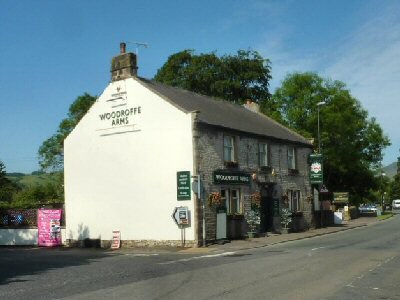
Woodroffe Arms, Hope